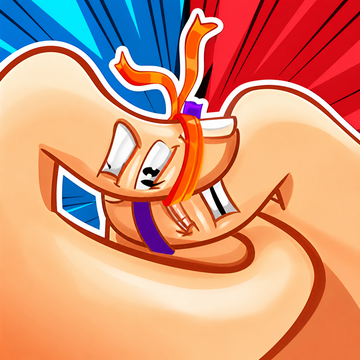
Concept and Inspiration
A wrestling mask can tell a story before the first move. In Mexican lucha libre, a style of professional wrestling known for colorful masks and quick sequences of holds, the face covering is part of the spectacle. Wrestlers called luchadores build memorable identities through costume and movement, turning a physical contest into a meeting of larger-than-life personalities. [1]
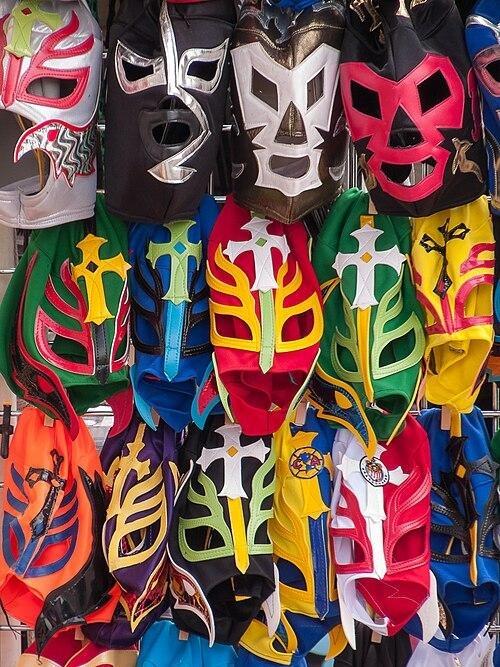
Figure 1. Colorful Mexican wrestling masks displayed at an outdoor market in Tucson.
Photo: StellarD | ccby-sa4.0
That tradition grew into a major part of Mexican popular culture. Professional wrestling became especially popular in Mexico during the 1930s, after a prominent national promotion was established. [2] A mask can help a wrestler establish a distinctive ring persona, and some lucha libre matches make removing the mask an especially meaningful stake. [3] [1]
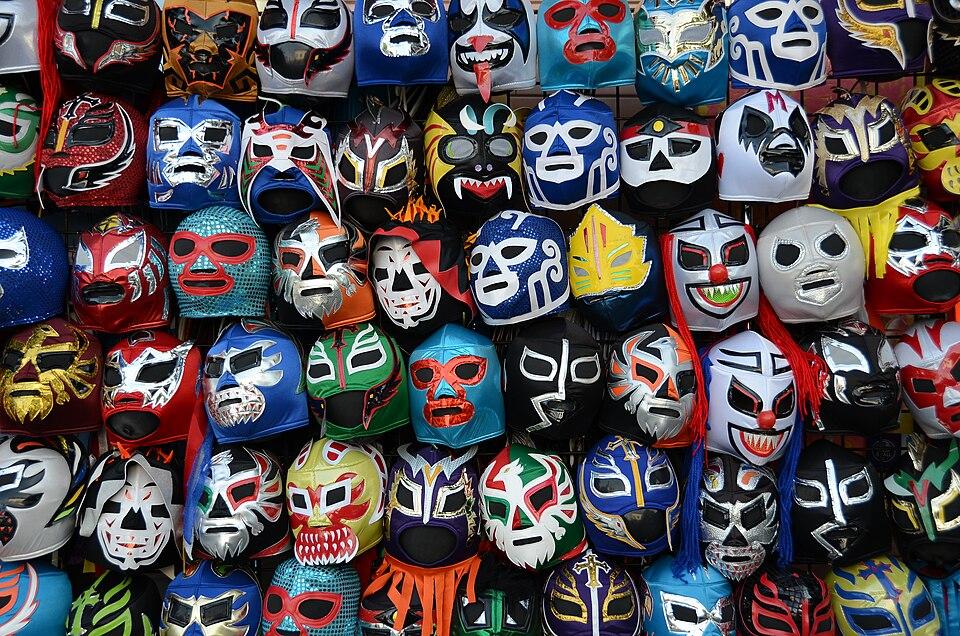
Figure 2. A display of lucha libre masks in San Francisco's Mission District.
Photo: Jonathan McIntosh | ccby-sa3.0
The mask also matters beyond the ring. Research on lucha libre describes wrestling as cultural performance, with characters and symbols that carry meaning through Mexican society. [4] An academic study of mask design explores how patterns and colors help transform an ordinary person into a fearless character. [5] Another study finds that wrestling masks serve as recognizable symbols in Mexican and Chicano performance art. [6]
We developed Thumb Wars for Slope3 around a playful version of that transformation: one bright mask gives an ordinary thumb the presence of a tiny wrestling hero. Across from our smiling masked challenger stands a gray-haired rival with a fierce scowl. Their bend-and-press battles bring the personality of a theatrical wrestling rivalry to a contest small enough to fit between two hands.
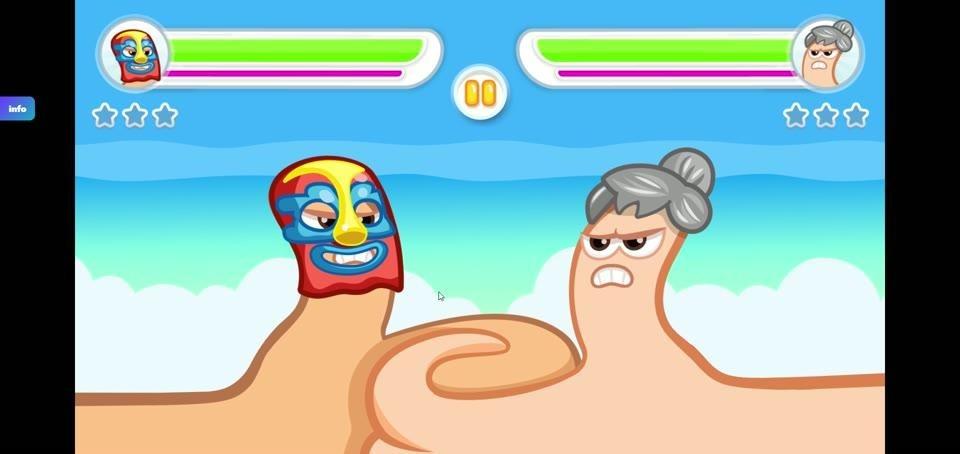
Figure 3. The smiling masked thumb faces a stern gray-haired rival beneath their character displays.
Story
Picture a ring suspended in a bright blue sky, high above a town where every hand has a story. A cheerful young thumb enters wearing a red, blue, and yellow mask. The little challenger represents the forgotten wrestlers of a neighborhood where children once made champions out of their own hands. The mask is a promise: even the smallest contender deserves a chance to be seen.
Waiting across the ring is a gray-haired veteran whose deep frown has silenced plenty of eager challengers. The veteran believes experience should settle every argument. To the newcomer, that sounds like a rule written by someone who has already won. The two meet in a series of fierce, funny thumb grapples, each trying to prove what truly makes a champion.
As the imagined crowd watches, the rivalry begins to change. The masked newcomer learns that bravery means rising after being pushed down. The veteran starts to recognize courage beneath all that bright fabric. Whether the next grapple brings triumph or disappointment, both have something to defend: the identity they carry into the ring. It is the spirit we bring to the game's expressive little showdown.
Gameplay
In Thumb Wars, you control a thumb wrestler and press to bring your thumb down onto your opponent. A clean press makes the other thumb lose health, shown by its shrinking health bar. Keep looking for chances to press again while protecting your own health. Empty your rival's health bar to win a round and earn a star. The match continues through multiple rounds, with the stars recording round wins.
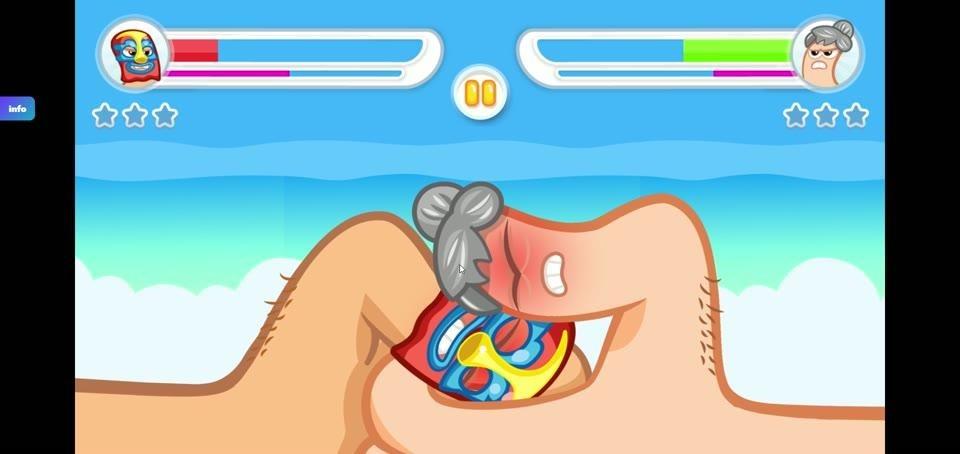
Figure 4. The gray-haired wrestler bends into a close grapple with the masked thumb.
Meet the Thumb Wrestlers
On the left, your cheerful challenger wears a vivid red, blue, and yellow lucha-style mask with a yellow nose and smiling mouth. The broad cartoon hand beneath it bends as the thumb rises and presses. On the right, a peach-colored thumb with a gray hair bun, heavy brows, and a scowl bends forward to meet the challenge. In one-player mode, the game controls this rival; in two-player mode, a second player controls it.
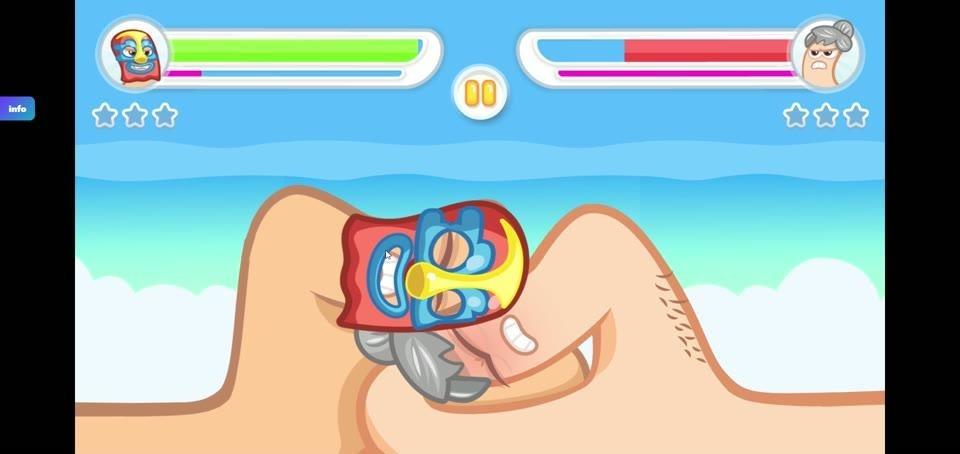
Figure 5. One thumb folds over the other as their broad cartoon hands meet in the arena.
Health, Grapples, and Round Wins
Each wrestler has a portrait and a large colored health bar across the top of the screen. A successful press lowers the other wrestler's health, and the remaining part of that bar gets shorter. If your own health reaches zero first, you lose that round. Beneath the bars, three outlined stars mark each side's round record; a won round fills a star yellow. Winning a round adds to your match record, but it is different from winning the whole match.
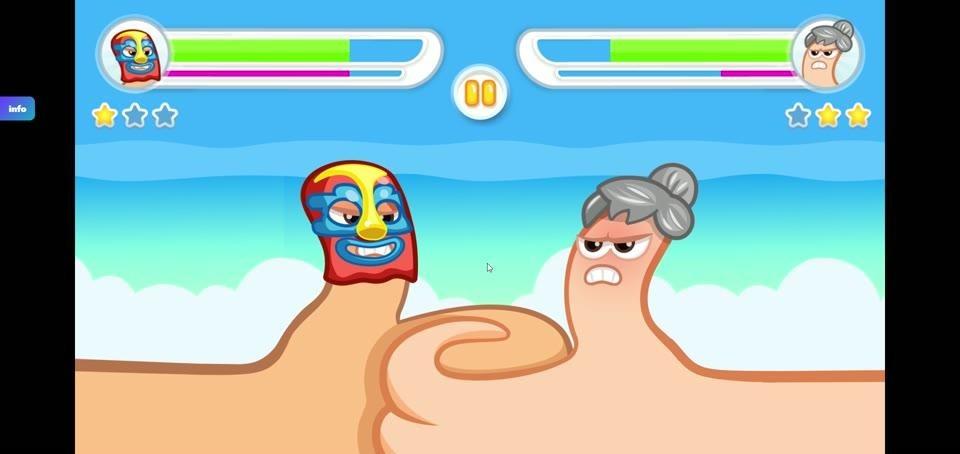
Figure 6. Character portraits, long status bars, and star markers track the opposing wrestlers.
For a first exchange, let the thumbs face each other, then time a press so your wrestler lands on the rival. Watch the rival's health bar shorten. If the opponent pushes your wrestler down instead, watch your own bar. Continue pressing at useful moments until one health bar empties and the round has a winner. A thin magenta strip also sits beneath each main health bar, providing another visible status indicator.
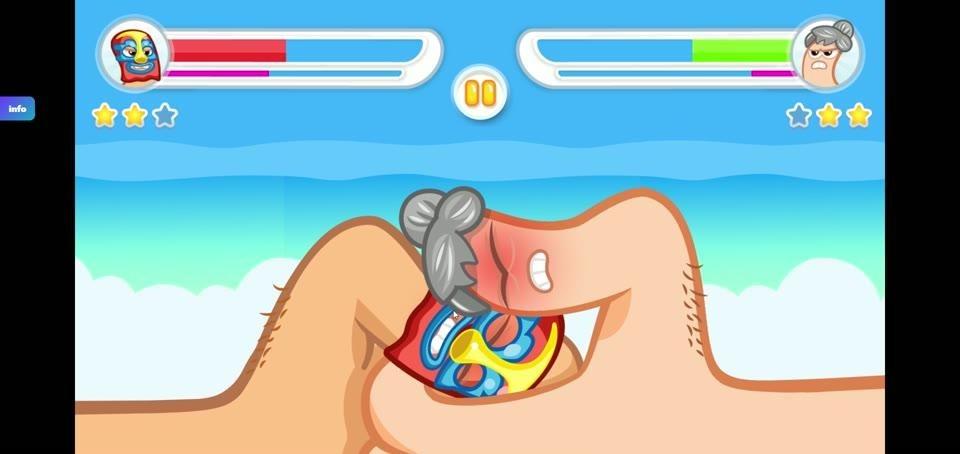
Figure 7. The wrestlers overlap in a close press while the match indicators remain visible above.
Arena Details and Match Display
A glowing round gold emblem can appear between the wrestlers, adding a bright point of interest during the clash. The top center of the screen carries a yellow button marked with two pause strokes. Other screens show a green circular-arrow icon at the lower left and a yellow three-line icon at the lower right. These controls and symbols stand apart from the two thumbs, so you can spot them without confusing them with the wrestling action.
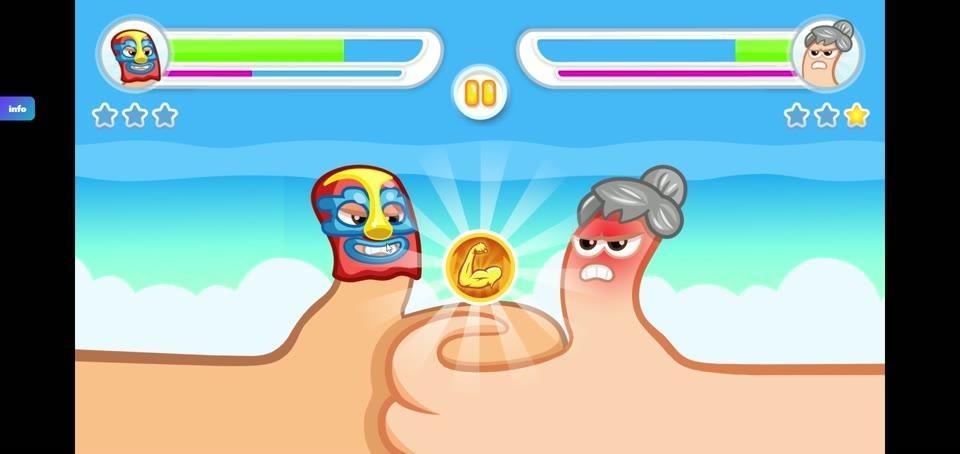
Figure 8. A bright gold circular emblem glows between the thumb wrestlers.
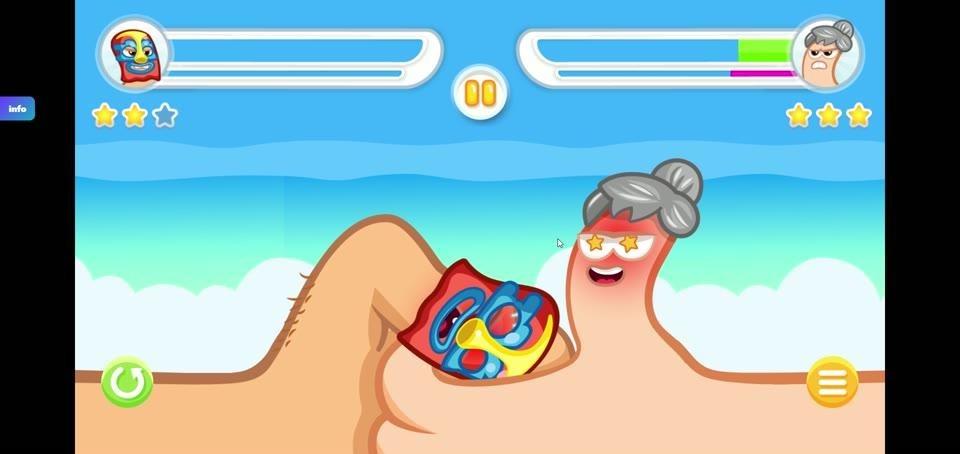
Figure 9. A circular-arrow icon and a three-line icon sit in the bottom corners beneath the arena.
Visual Style
Our thumb wrestlers stand against turquoise sky, stacked blue bands, and soft white cloud shapes. Thick outlines keep their bending hand shapes clear even when both thumbs overlap. The masked wrestler's warm primary colors contrast with the veteran's gray bun and sharp eyebrows, making the two sides easy to tell apart at a glance.
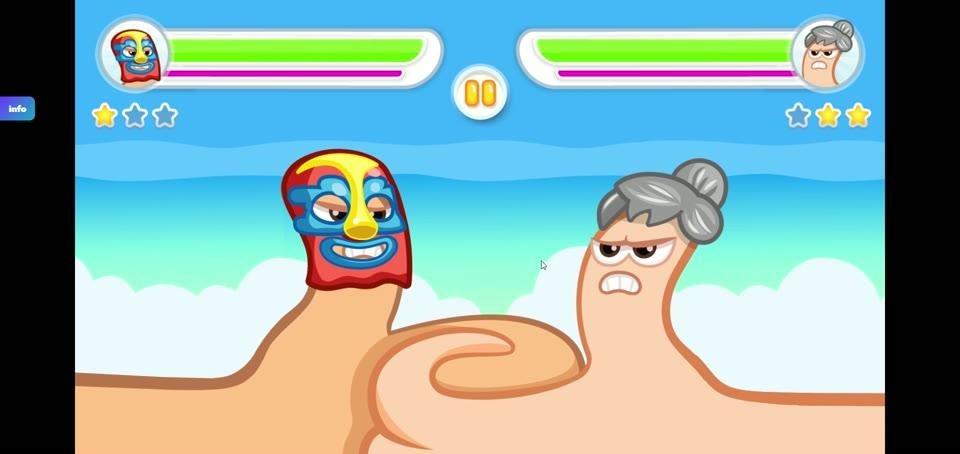
Figure 10. The bright mask, gray hair, cloud shapes, and layered blue background define the cartoon arena.
Faces do much of the storytelling. A grin on one thumb and narrowed eyes on the other make even a brief press feel personal. Clear portraits, horizontal bars, and little yellow stars give the busy top of the screen a useful job: showing who is fighting and how the contest is going.
Standout Features
The funniest twist is also the main action: a familiar thumb-wrestling gesture becomes a colorful head-to-head duel. The whole fighter bends during an attack, so you can read each attempt from the hand movement itself. A round win leaves a visible star, giving a short exchange a place in the larger match.
Thumb Wars also lets you face the gray-haired challenger controlled by the game in 1P or share the contest with another player in 2P. The masked hero and stern veteran turn a simple timing challenge into a rivalry with personality. In the broader tradition of lucha libre, performers often present contrasting hero and villain roles, called técnico and rudo. [7] The game uses that theatrical contrast in its own small, cartoon way, without requiring you to know wrestling terminology.
The idea of a wrestling identity carries weight in the wider culture, too. A scholarly account examines the difference between wrestlers and the characters they embody, including the secrecy surrounding masks. [4] Here, a handful of pixels and one bright disguise are enough to turn two fingers into unmistakable rivals. You can step into their next showdown at Slope3.
Controls
PC: One Player
1. Start a 1P match and find your masked thumb on the left side of the arena.
2. Click the left mouse button or press W to make your thumb press down. Time the press to land on the gray-haired opponent and lower its health.
PC: Two Players
1. Start a 2P match. Player 1 controls the left thumb by pressing W to attack.
2. Player 2 controls the right thumb by pressing the Up Arrow key to attack. Each player times presses to catch the other thumb and reduce its health.
References
[1] Lucha libre. https://en.wikipedia.org/wiki/Lucha_libre
[2] Professional wrestling in Mexico. https://en.wikipedia.org/wiki/Professional_wrestling_in_Mexico
[3] Wrestling mask. https://en.wikipedia.org/wiki/Wrestling_mask
[4] The World of Lucha Libre. https://doi.org/10.2307/j.ctv11sn1rv
[5] Lucha Libre: Visualising behind the mask. https://doi.org/10.14236/ewic/eva2011.54
[6] (Ef)Facing the Face of Nationalism: Wrestling Masks in Chicano and Mexican Performance Art. https://doi.org/10.4148/2334-4415.1510
[7] CMLL Torneo Nacional de Parejas Increíbles (2016). https://en.wikipedia.org/wiki/CMLL_Torneo_Nacional_de_Parejas_Incre%C3%ADbles_(2016)
Image Credits
Lucha libre masks.jpg - StellarD - ccby-sa4.0. https://commons.wikimedia.org/wiki/File:Lucha_libre_masks.jpg License: https://creativecommons.org/licenses/by-sa/4.0
Lucha libre máscaras.JPG - Jonathan McIntosh - ccby-sa3.0. https://commons.wikimedia.org/wiki/File:Lucha_libre_m%C3%A1scaras.JPG License: https://creativecommons.org/licenses/by-sa/3.0