Concept and Inspiration
The familiar sight of a basketball slipping through a net has an unexpectedly humble beginning. In 1891, physical education instructor James Naismith introduced basketball in Springfield, Massachusetts, as an indoor activity suitable for winter. The sport began with a practical question: how could players send a ball into a raised target while sharing an indoor space? [1] Naismith's original rules helped turn that experiment into a recognizable game, long before modern arenas and glowing scoreboards became part of basketball culture. [2]
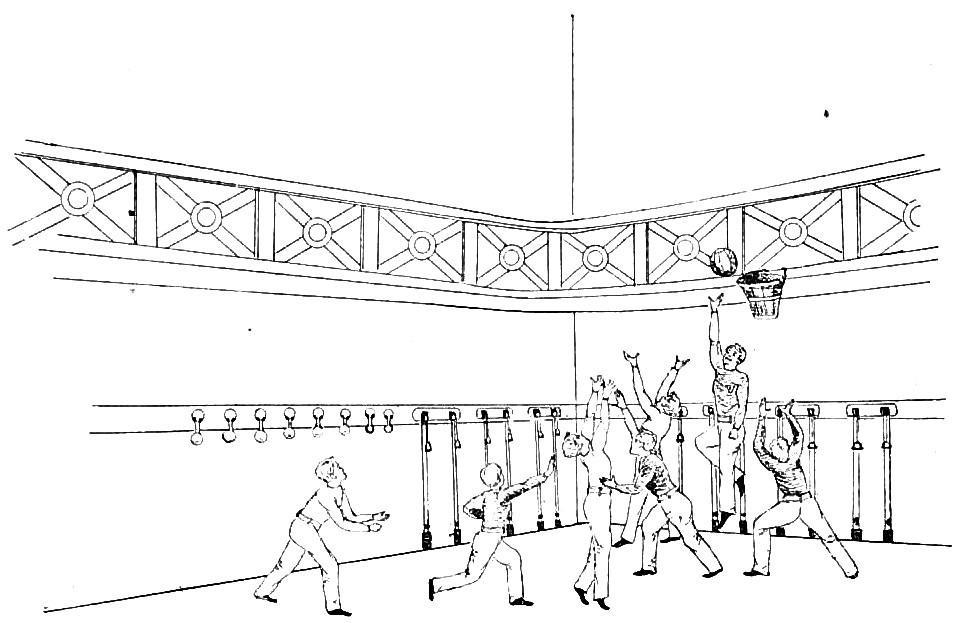
Figure 1. A historical printed page of James Naismith's original basketball rules, published in the sport's early years.
Photo: Dr._James_Naismith's_Original_13_Rules_of_Basket_Ball.jpg : James Naismith derivative work: Theornamentalist | publicdomain
That first target was a peach basket. Its bottom was eventually opened, and later basketball equipment replaced the basket with a metal rim and net. [3] The change made the passage of the ball itself the focus: a successful shot could be recognized as the ball went through, rather than ending in a closed container. Today, a hoop's rim and hanging net remain basic parts of the basket. [3] The modern structure may look simple, but a narrow opening turns every arriving ball into a moment of suspense.
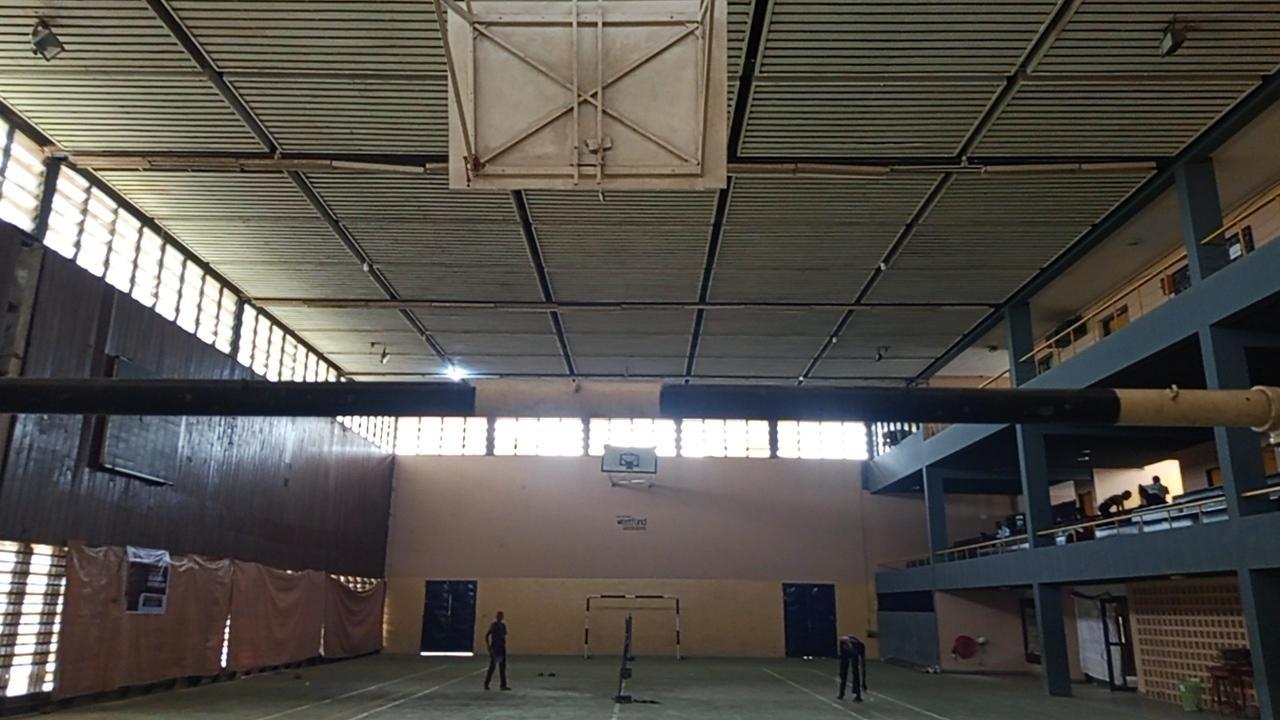
Figure 2. A wall-mounted basketball backboard and hoop structure in an indoor gymnasium.
Photo: Eminence190 | cc0
In conventional basketball, opposing teams try to shoot the ball through a hoop, and the usual field goal earns two or three points depending on where the shot is taken. [4] Basketball's journey also took it to the Olympic Games as an official sport in Berlin in 1936. [2] Across those different settings, one recognizable moment stays the same: the ball meets the opening, and everyone looks to see whether it drops through the net. [3]
We developed Dunk Hoop for Slope3 around a playful reversal of that moment. Instead of throwing toward a fixed basket, you guide the basket toward the incoming ball. The orange ball, red rim, and white net take center stage; the difference between a clean drop and a bounce off the rim becomes the difference between keeping your run alive and starting over. The classic hoop is still the star, but now it is in your hands.
Story
Imagine a city where the last light of evening shines on an empty rooftop court. Mara, the neighborhood's keeper of a battered portable hoop, has promised to keep the court glowing through the Night of Falling Stars. But the stars arrive as orange basketballs, streaking across the blue sky from unpredictable directions. There is no shooter to call out a warning. Mara has only the hoop, its little white net, and the split second before each ball reaches her.
The neighborhood has a legend: each clean basket lights another window overlooking the court. A ball that brushes the rim makes the watching crowd hold its breath; two beautiful drops in a row send a brighter shimmer across the rooftops. Mara slides beneath each arrival as the city grows brighter, knowing that one missed ball will end tonight's attempt. At dawn, there may be no trophy or final whistle—only the number of catches she managed before the lights went out. This imagined rooftop tale captures the spirit of chasing one more perfect basket.
Gameplay
Your goal is to catch each incoming basketball by moving the red hoop left or right until the ball drops down through its white net. Balls arrive from changing directions, so you keep repositioning the basket for the next catch. A successful pass through the hoop adds to your score. If a ball misses, or hits the rim and bounces outside instead of going through, that catch fails and your run ends. You then try again from a fresh run, aiming to beat your previous score.
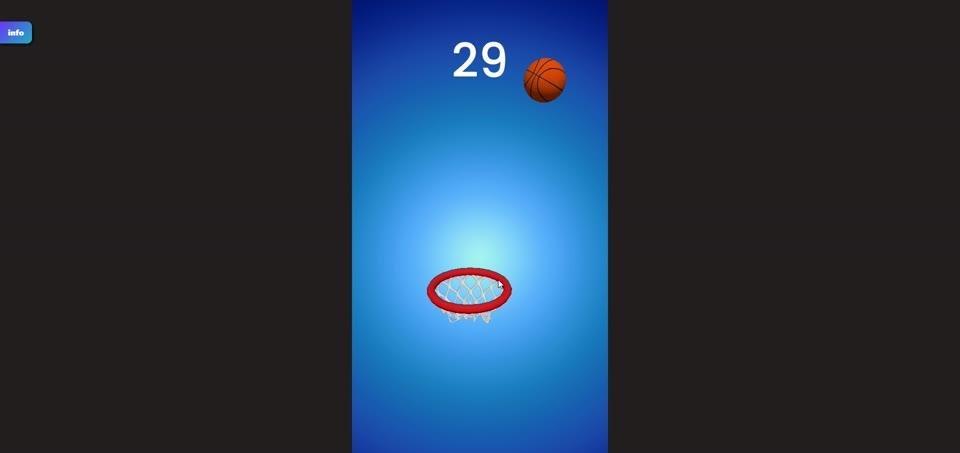
Figure 3. The red hoop sits beneath an incoming basketball on the narrow blue playfield.
The Hoop and Incoming Balls
You control the complete basket: a thick red oval rim with a short white mesh net hanging below it. Both parts slide together across the screen. The orange basketballs have dark curved seam lines, making their position easy to track against the blue background. Although two ball images can occasionally be on screen at once, the previous ball is simply finishing its fall as the next arrives; you focus on catching the current incoming ball.
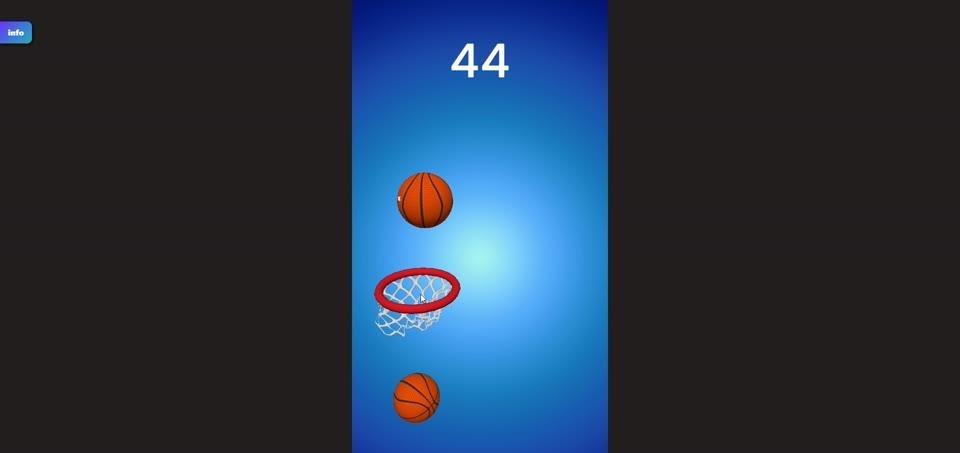
Figure 4. Two visible basketball images show the previous ball finishing its fall as play continues.
For example, when the next ball approaches from the left, move the hoop left until its opening sits underneath the ball's path. If the ball passes down through the net, the catch counts. If it strikes the rim and rebounds away, it does not. This makes positioning the opening more important than simply touching the ball with the basket.
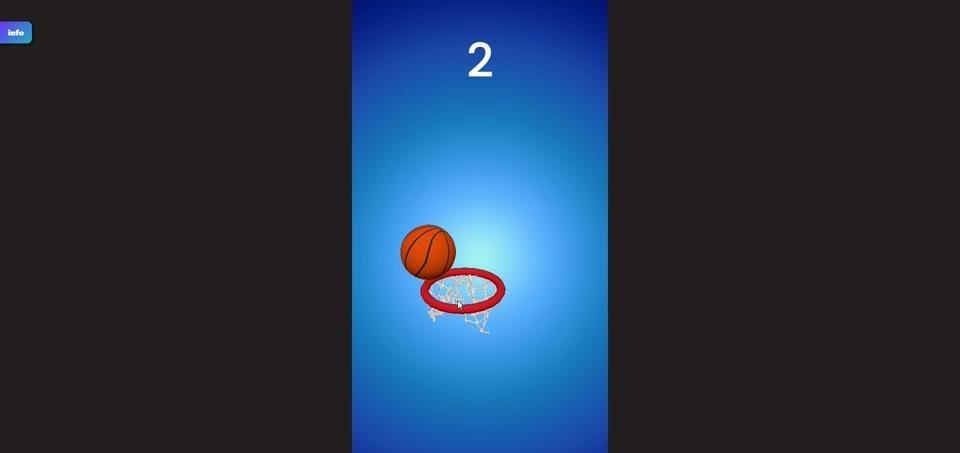
Figure 5. An orange basketball approaches the red rim and white net during play.
Points, Clean Catches, and Streaks
A successful catch earns one point, briefly marked by a floating +1 near the hoop. Two consecutive perfect catches—each passing entirely through the basket without touching its rim—earn the +2 bonus. The large white number at the top of the playfield tracks your growing score. Watch both the ball and the rim: a clean passage is worth more than a messy near miss.
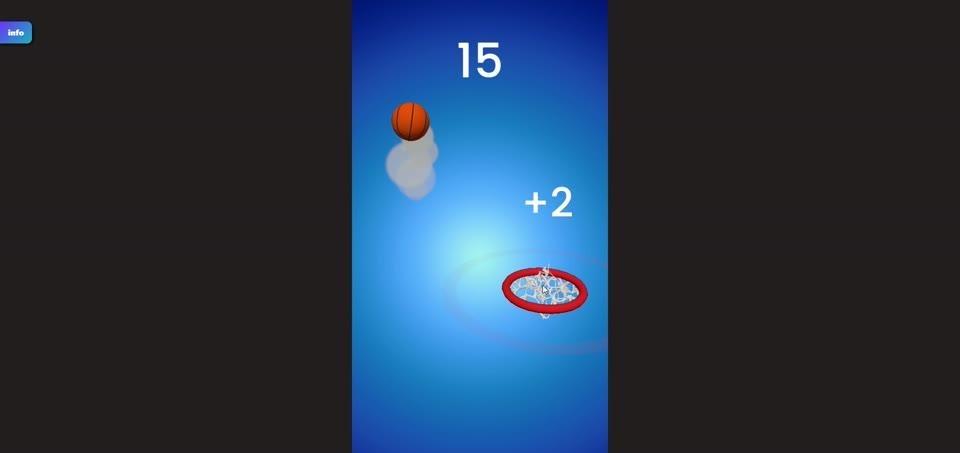
Figure 6. A +2 bonus indicator appears beside the hoop during a scoring sequence.
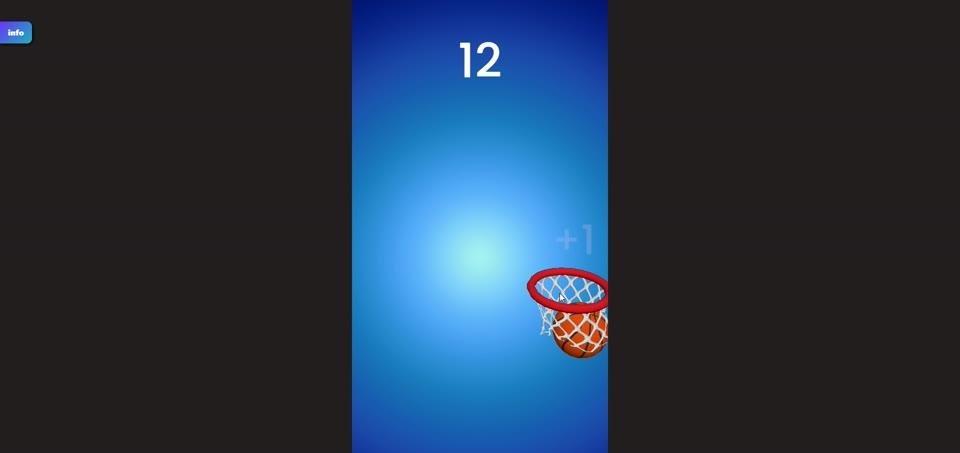
Figure 7. A +1 scoring indicator appears near the basket beneath the running score.
Endless Runs, Misses, and the Game Screen
Dunk Hoop is an endless high-score challenge, with no final level or victory screen to reach. Each clean catch extends the run and raises your score. Missing a single ball ends that attempt; the score from that run is lost, and you must play again to build a new total. Failure also brings an advertisement as a penalty before returning to play. The reward for a good run is the score you managed to earn, not a claimed unlock or permanent prize.

Figure 8. A darkened interruption screen follows a failed attempt.
The title display spells out DUNK HOOP in large yellow-and-white lettering. A white hand symbol with a horizontal guide illustrates the basket's sideways movement. During play, a small blue badge in the upper-left corner opens the Slope3 game menu. These interface elements stay separate from the simple job of catching the next ball.
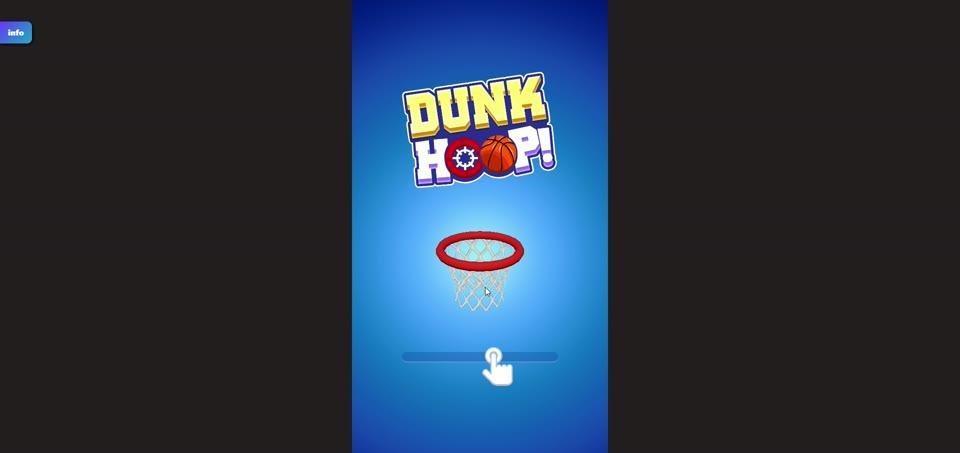
Figure 9. The Dunk Hoop title screen shows the basket and a hand symbol indicating horizontal movement.
Visual Style
Our game uses a tall, slim playfield that fades from bright cyan to deeper blue, framed by nearly black side borders. The orange basketball stands out immediately, while the red rim and white net make the target opening clear even as you slide across the court. Large white score digits remain near the top, and smaller +1 or +2 notices pop up close to the action. We chose this uncluttered look so you can follow the next ball without searching through scenery.
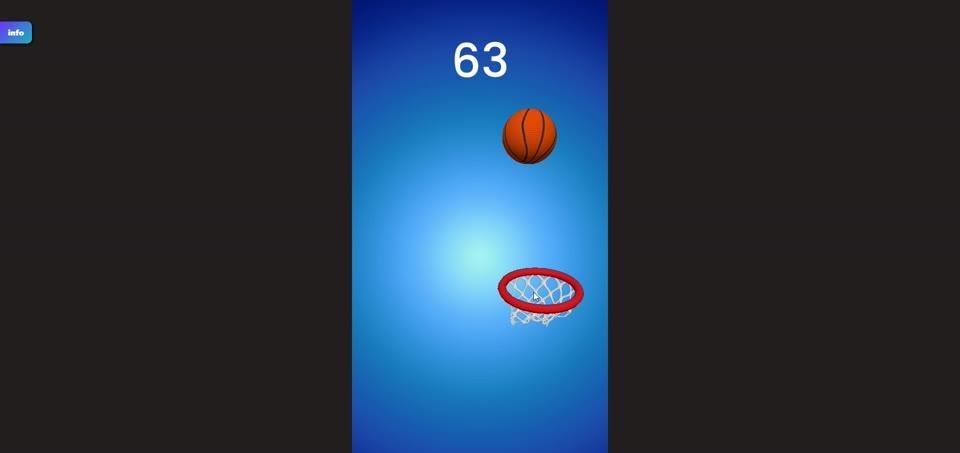
Figure 10. The portrait blue court, bright basketball, movable hoop, and top score counter.
Soft, pale circular afterimages trail some moving balls. These streaks are visual animation, not a separate power-up or an obstacle. They add a sense of motion without competing with the rim, ball, and score—the three things you need to read at a glance.
Standout Features
The biggest twist is that the hoop moves and the incoming ball follows its own path. Traditional basketball centers on sending a ball toward a basket; here, you bring the basket beneath the ball. [4] That reversal changes where you pay attention. You track where the orange ball is heading, then decide where the red opening needs to be when it arrives.
A clean catch has an extra reason to feel satisfying. Ordinary successful passes give +1, while two rim-free catches in succession trigger +2. The rim therefore matters as more than decoration: brushing it can send a ball outside and end the run, whereas landing straight through preserves your chance at a bonus. One miss is enough to end an attempt, so every new ball matters even when the score is already high.
There is no lengthy list of equipment to manage or team to command. The movable basket, unpredictable arrivals, readable score, and short scoring notices carry the experience. Each run gives you a fresh chance to build a longer chain of catches. Try Dunk Hoop on Slope3 and see how long you can keep the ball finding the net.
Controls
PC
1. Find the red hoop with its white net beneath the incoming orange ball.
2. Hold the mouse button and move the mouse left or right. The hoop slides horizontally with your movement, letting you line up its opening under the ball.
Mobile
1. Find the red hoop and the incoming basketball on the blue playfield.
2. Touch and hold the screen, then slide your finger left or right. The hoop follows sideways so you can catch the ball through the net.
References
[1] History of basketball. https://en.wikipedia.org/wiki/History_of_basketball
[2] James Naismith. https://en.wikipedia.org/wiki/James_Naismith
[3] Basket (basketball). https://en.wikipedia.org/wiki/Basket_(basketball)
[4] Basketball. https://en.wikipedia.org/wiki/Basketball
Image Credits
Dr. James Naismith's Original 13 Rules of Basket Ball pg 1.jpg — Dr._James_Naismith's_Original_13_Rules_of_Basket_Ball.jpg : James Naismith derivative work: Theornamentalist — publicdomain. https://commons.wikimedia.org/wiki/File:Dr._James_Naismith%27s_Original_13_Rules_of_Basket_Ball_pg_1.jpg
Close-up view of the wall-mounted basketball hoop structure at OAU Gymnasium.jpg — Eminence190 — cc0. https://commons.wikimedia.org/wiki/File:Close-up_view_of_the_wall-mounted_basketball_hoop_structure_at_OAU_Gymnasium.jpg License: http://creativecommons.org/publicdomain/zero/1.0/deed.en