Concept and Inspiration
The real capybara is an unlikely giant: it is the world's largest living rodent, yet much of its life is spent in company. Native to South America, capybaras are highly social animals that gather in groups rather than roaming only as solitary individuals. Research describes stable groups made up of adults and their young, with group size shaped partly by habitat and population density. [1] [2]
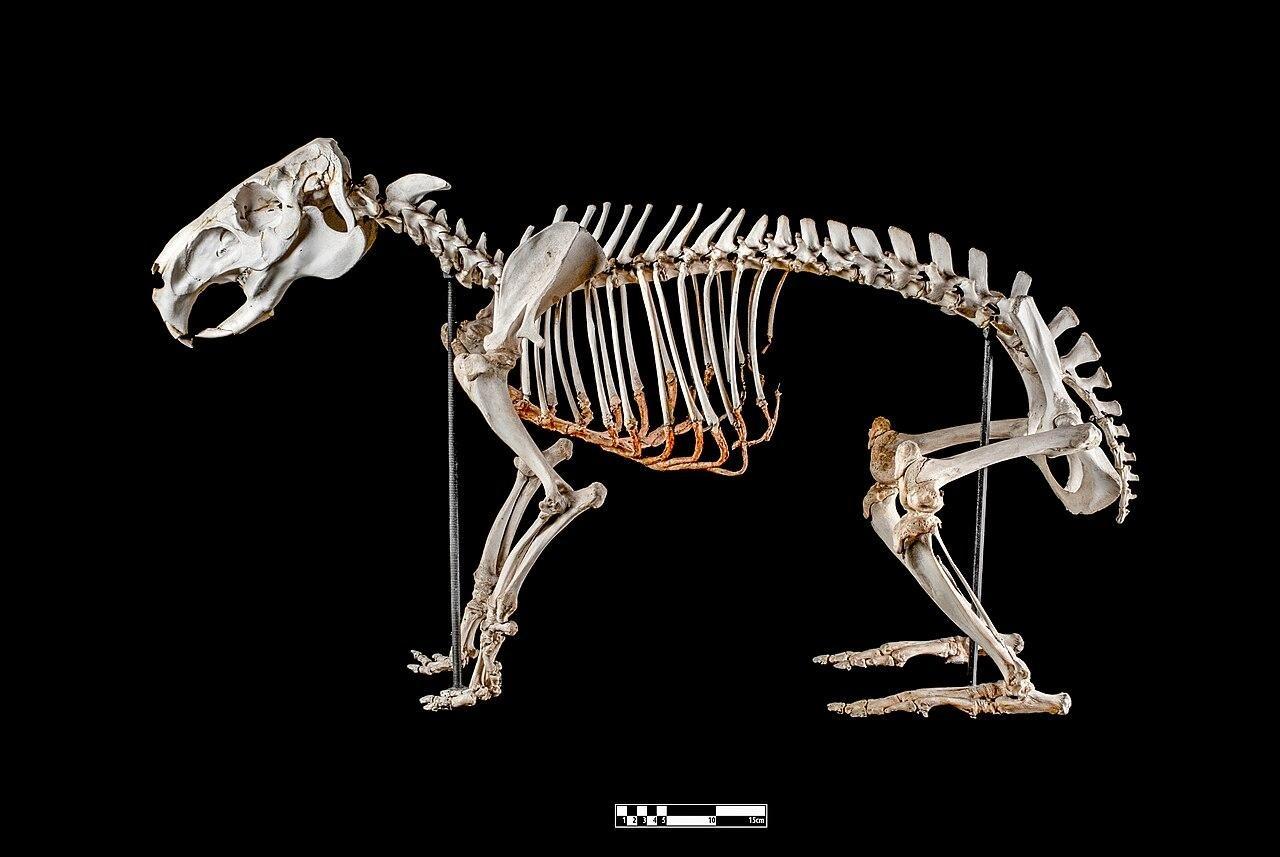
Figure 1. A capybara skeleton displayed as an anatomical specimen, revealing the structure of this unusually large rodent.
Photo: Museum of Veterinary Anatomy FMVZ USP / Wagner Souza e Silva | ccby-sa4.0
Water is part of that social world. Capybaras are semiaquatic plant eaters, often found around freshwater, grass, and sheltering vegetation. A field study in Brazil's Pantanal identified three recurring elements of their habitat: water, a patch of forest, and grassland for feeding. It also recorded groups ranging from two to 49 animals in the areas studied. [1] [3]
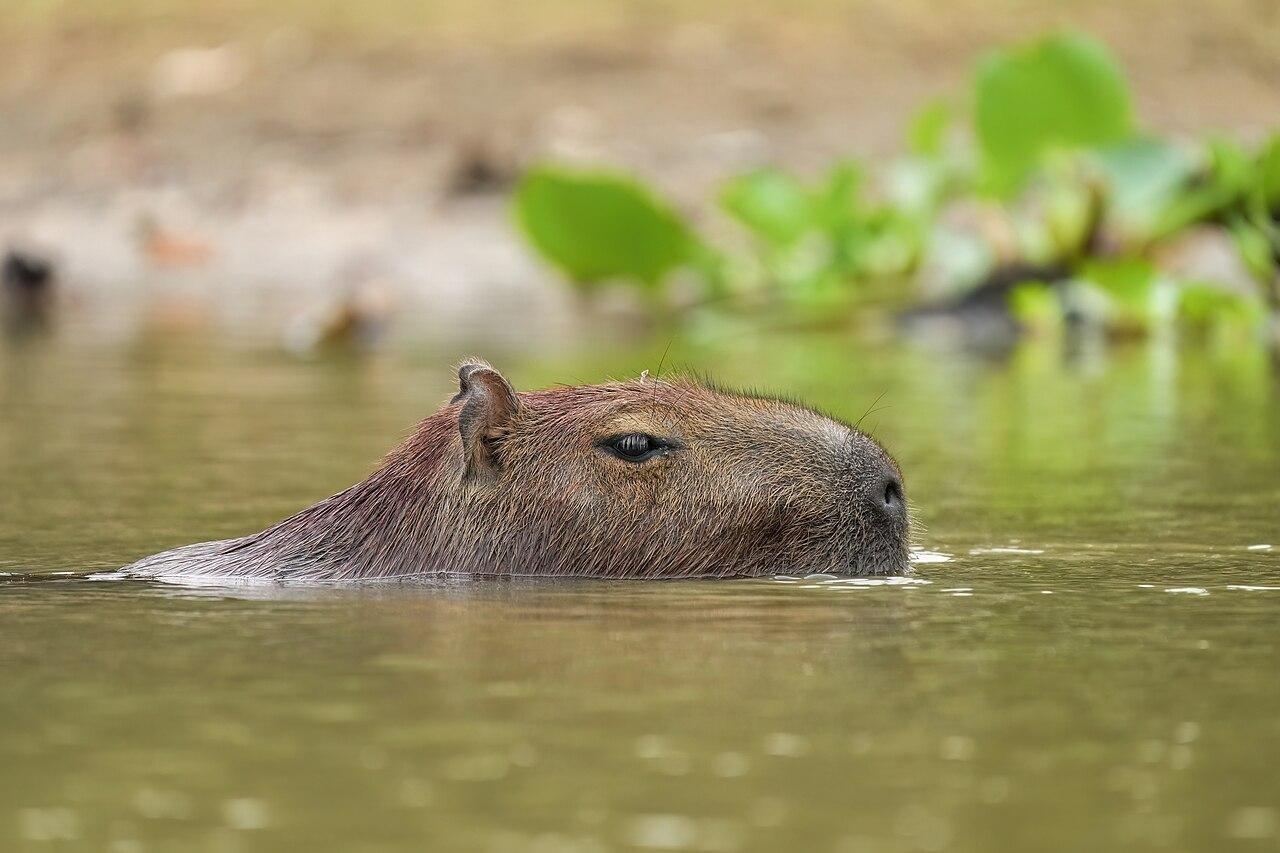
Figure 2. A capybara swims in a Brazilian river with its head above the water.
Photo: Giles Laurent | ccby-sa4.0
The Pantanal itself offers a remarkable picture of a landscape that expands and contracts. This vast tropical wetland stretches across parts of Brazil, Bolivia, and Paraguay. During rainy periods, water spreads over much of its floodplain; when the water recedes, familiar ground reappears. A biodiversity review describes seasonal flooding as a defining ecological force, continually changing the mix of aquatic and land habitats. [4] [5]
Ecologists call this rhythm a flood pulse. Rivers and their floodplains exchange water, nutrients, and living organisms as levels rise and fall. In the Pantanal, those shifts help produce a patchwork of habitats and support varied wildlife. Growth there is seasonal and grounded in real limits, but the image of a small gathering expanding across a changing landscape is wonderfully suggestive. [6] [7]
Capybara numbers are not fixed even in landscapes influenced by people. Researchers monitoring capybaras in a southeastern Brazilian wetland recorded seasonal fluctuations in the local population. That real variation gives our playful fantasy a lively starting point, while keeping the science and the game firmly separate. [8]
At slope3.com, we developed Capybara Clicker around an exaggerated version of that sense of gathering and growth. One cheerful capybara becomes the center of a community that can expand far beyond any natural herd. Our clickers, farms, and factories turn tiny beginnings into a comically huge population, while unlockable outfits and weather give its changing world fresh personality. The seasonal marsh is our creative lens for the experience, not a claim that real capybaras multiply through machines or mouse clicks.
Story
In a golden marsh beyond the edge of the map lives Sol, a capybara who loves the quiet water but wishes the evenings were a little less lonely. At sunrise, Sol waits beneath a patch of bright sky. One companion arrives, then another, until the empty bank becomes a place full of friendly faces. A tiny gathering begins to feel like a home.
The newcomers dream bigger than a simple riverside rest. Helpful hands invent curious clickers; caretakers open farms; and, before long, grand factories promise more companions than the marsh could ever hold in the real world. When rain sweeps across the sky, everyone huddles together. When stars streak overhead, the crowd throws on silly hats and sunglasses as if the entire wetland were hosting a festival. Sol discovers that a thriving community can be wonderfully ridiculous.
But even a golden marsh has turning points. Sol eventually faces a choice: hold on to the bustling settlement just as it is, or let one chapter fade so a stronger new beginning can take its place. That gentle cycle of gathering, changing, and beginning again gives our endless capybara adventure its heart. There is always room for one more friend, and always another chapter to grow into.
Gameplay
Your goal in Capybara Clicker is to grow your capybara population as far as you can. Interact with the large capybara to generate more capybaras, then spend your available balance on upgrades in the shop. Some upgrades make every click produce more; others add capybaras automatically each second. The loop is simple: collect, buy an affordable upgrade, earn faster, and repeat as new choices unlock. The large number at the top shows the capybaras you currently have available to spend, so it falls when you buy something and rises as production continues.
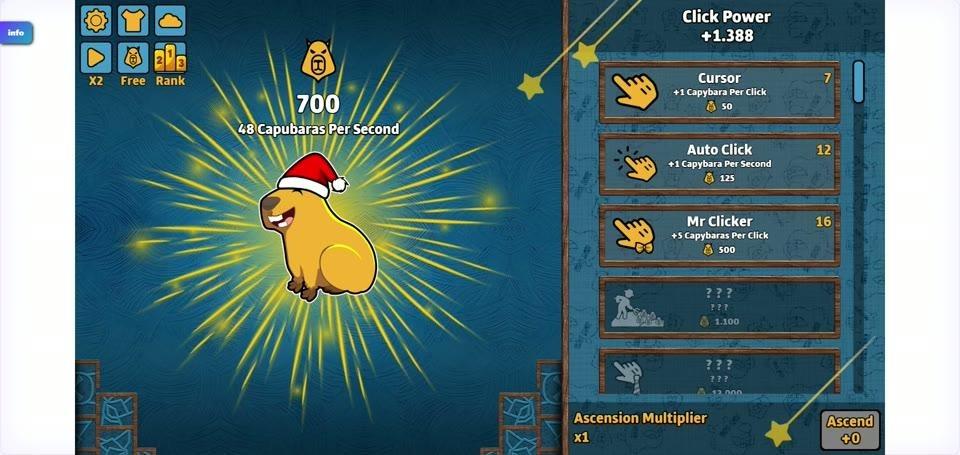
Figure 3. The main smiling capybara, current balance, and upgrade shop at the start of the growing empire.
Your Capybara and Production Counters
The big golden-brown capybara sits in the center-left play area, with a rounded body, tiny feet, and a dark muzzle. White numbers marked with a plus sign appear around it as you generate more capybaras. Above the character, the main counter tracks your spendable balance. A smaller 'Capybaras Per Second' line tells you how much passive production your upgrades provide.
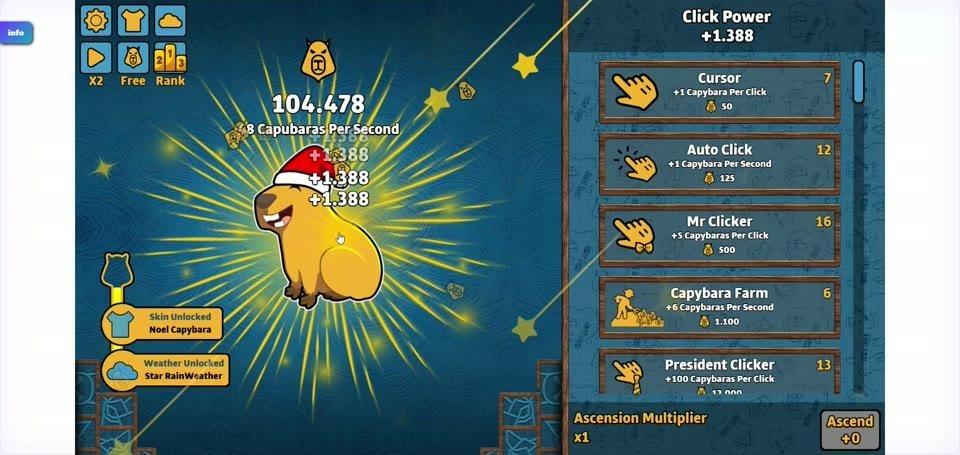
Figure 4. Floating production numbers and growing totals surround the smiling capybara.
The 'Click Power' figure above the shop tracks what each ordinary click earns. This is different from the per-second rate: you can strengthen one, the other, or both. Small tan capybara-face symbols accompany counters and prices; the moving copies are visual effects rather than extra pickups.
Shop Upgrades and Automatic Production
The right-hand shop divides its bonuses into two useful kinds. Click upgrades include Cursor (+1 capybara per click), Mr Clicker (+5), President Clicker (+100), and King Clicker (+1,000). Each card shows an icon, a price, and its level. These purchases strengthen your direct clicks, so even a modest early upgrade can make the next stretch of collecting quicker.

Figure 5. The wood-framed shop lists click upgrades alongside automatic production options.
For production that runs between clicks, look for Auto Click (+1 capybara per second), Capybara Farm (+6), Capybara Pump (+200), and Capybara Factory (+5,000). Purchased bonuses accumulate in their respective production totals. Prices rise as upgrade levels increase, and you need enough capybaras in your balance to cover a purchase. A gray '???' card marks an upgrade that becomes available after you reach the required population or progress milestone; later tiers include stronger cursor options and production buildings.
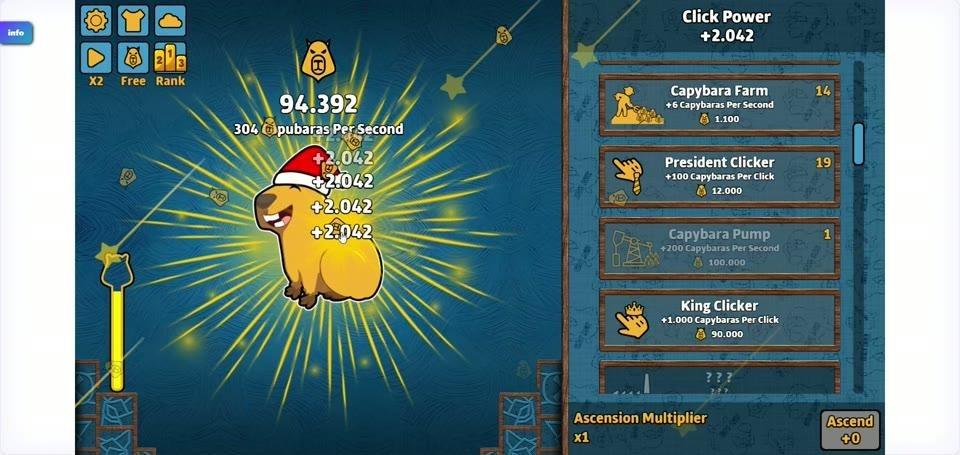
Figure 6. More expensive shop upgrades and a visible x2 activity meter show how production can scale.
For a first run, collect until you can afford Cursor and buy it. Your balance drops by the price, but subsequent clicks yield more capybaras. Then save for Auto Click: once purchased, that upgrade contributes to the per-second total even when you are not clicking. Scroll through the shop as your balance grows, choosing between stronger taps now and a steadier stream of automatic production.
Boosts, Unlocks, and Customization
A tall yellow gauge on the left rewards a lively clicking rhythm. Repeated clicks fill it; when it reaches the x2 state, each click earns twice its usual capybaras. The boost applies to clicks, not the entire automatic per-second output. The gauge drains if you stop or slow down, so the bonus is temporary. A separate play-triangle x2 button in the upper-left menu offers a limited, ad-supported click boost.
The upper-left buttons also include a gear for sound and game-data settings, a shirt for unlocked capybara skins, and a cloud for weather effects. You can unlock and choose accessories such as a red apple-like ornament, a Santa hat, or sunglasses. Weather options include Raining, Star Rain, Winding, and Snowing. These looks change the scene without directly raising production. Yellow notices announce milestones and new skin or weather unlocks; one festive outfit, for example, requires a high capybara milestone and Snowing weather.
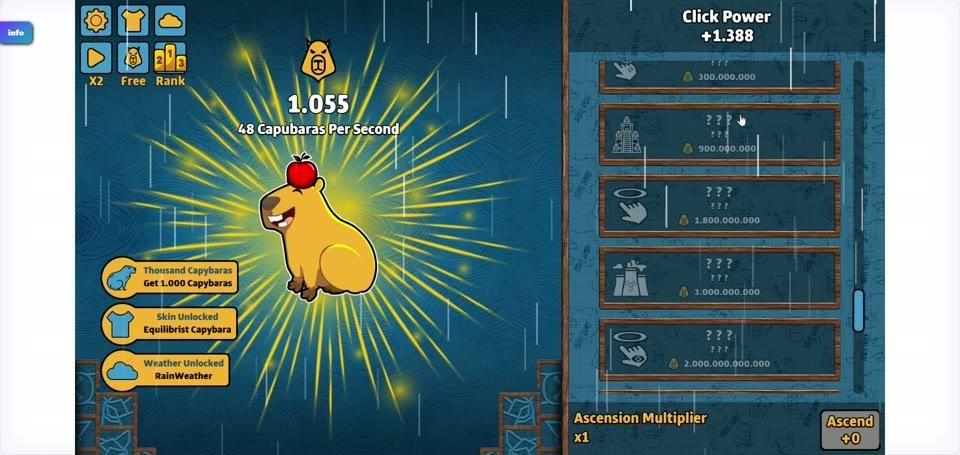
Figure 7. Milestone notices and appearance options sit beside the capybara playfield.
A bag-shaped 'Free' button offers a limited number of ad-supported capybara rewards, while 'Rank' opens the leaderboard to compare results with other players. Small capybaras floating across the screen, including some in dark glasses, are playful decorations. They do not need to be clicked for extra production.
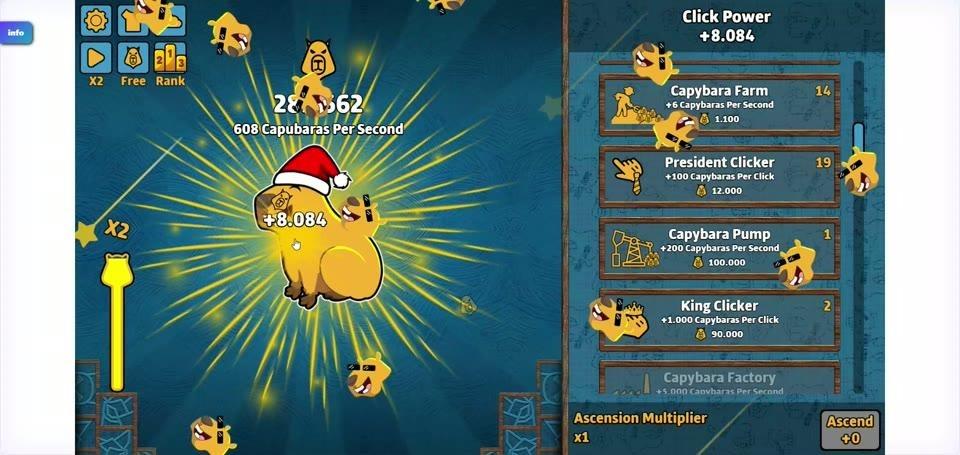
Figure 8. Small decorative capybaras drift over the play area and upgrade list.
What Counts as Success, and What Does Ascend Reset?
This is an endless game: there is no last level, final victory screen, timer that forces a loss, or ordinary game-over penalty. Success means reaching bigger production milestones, affording powerful upgrades, collecting achievements, and unlocking new looks. Purchasing an upgrade spends some of your current balance; it does not erase your other purchases. Your progress is saved for later play.
The lower-right 'Ascend' panel offers a voluntary new start. Ascending resets your current capybara balance and ordinary upgrades, but rewards you with a permanent production multiplier for future growth. Permanent bonuses remain, while unlocked skins and achievements generally carry over. It is a trade: give up this round's built-up production for a stronger next round, with no defeat involved. The panel displays your Ascension Multiplier and a prospective bonus, but no fixed calculation is needed to understand the choice.
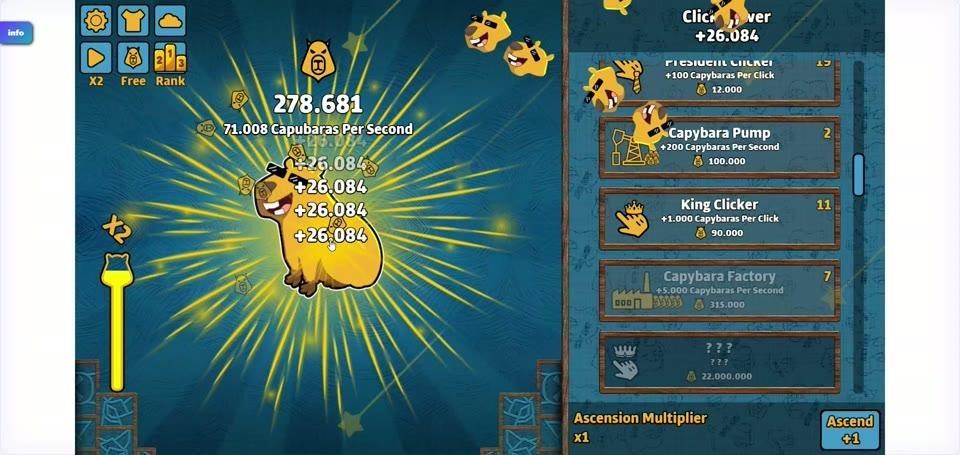
Figure 9. The Ascend panel beneath the higher-tier shop offers a voluntary production reset for lasting growth.
Visual Style
Our central capybara is a bright, rounded cartoon character, lit by long yellow rays against a deep teal-blue patterned background. Its simple face is easy to spot even as numbers crowd the scene. A wood-toned divider separates the capybara from the shop, and small blue geometric accents keep the playfield cheerful without competing with the controls.
The shop uses warm wood-framed cards, large illustrated icons, bold bonus labels, and a narrow blue scroll indicator. White production counters stand out from the darker surroundings. As the game grows busier, rising plus-number labels make individual clicks easy to recognize amid the automatic gains.
Cosmetics give the same familiar mascot a different mood. A red-and-white Santa hat turns the marsh festive; dark sunglasses add a cheeky look. Stars and streaks sweep across some backgrounds, while pale rain lines make others feel softer. We chose these visible changes to make a long-running clicker session feel like a little world that keeps finding new outfits for itself.
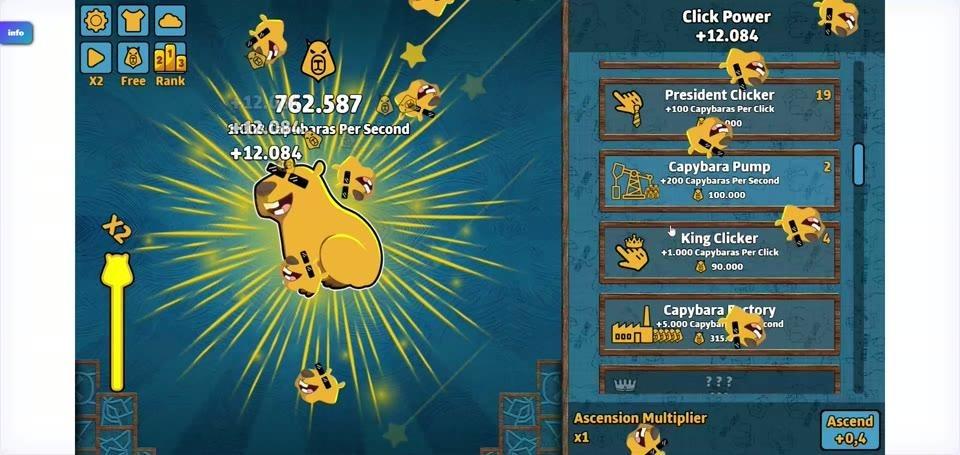
Figure 10. Small floating capybaras and streaking light effects decorate the playfield around the main capybara and shop.
Standout Features
Capybara Clicker makes the transition from hands-on play to idle growth easy to follow. You begin by earning capybaras directly, then invest in two clearly labeled streams: more per click and more per second. Cookie Clicker uses a related incremental structure, beginning with clicks on a large cookie and expanding through buildings that produce resources automatically. In our game, the crowd of capybaras and its playful wardrobe put a gentler, animal-centered face on that escalating number chase. [9]
There is also a reason to stay active after automatic production starts. The yellow x2 gauge rewards steady interaction with a temporary increase in click earnings, while farms and factories continue contributing their separate per-second amounts. That gives each session a choice between relaxed accumulation and a burst of faster clicking.
Ascension brings a longer rhythm to the game. Cookie Clicker also offers a form of ascension that lets players restart for faster growth, a familiar idea in incremental games. Here, the visible multiplier makes the tradeoff tangible: lose the ordinary upgrades you built this round and carry permanent production strength into the next. [9]
Alongside that growth, unlockable skins, changing weather, milestone notices, and decorative mini capybaras make the empire feel more personal. Visit slope3.com to join the cheerful marsh and see how far your own capybara community can grow.
Controls
PC
1. Left-click the large capybara in the center-left play area. Each click generates capybaras and increases your available balance.
2. When a shop upgrade on the right is unlocked and affordable, left-click its card to buy it. The price comes out of your balance, and its listed per-click or per-second production bonus is added.
Mobile
1. Tap the large capybara in the play area. Each tap generates capybaras and raises your available balance.
2. Tap an unlocked upgrade card when you have enough capybaras to afford it. The purchase deducts its price and increases the per-tap or automatic production shown on the card.
References
[1] Capybara. https://en.wikipedia.org/wiki/Capybara
[2] Capybara social structure and dispersal patterns: variations on a theme. https://doi.org/10.1644/09-mamm-s-420.1
[3] Habitats, population densities, and social structure of capybaras (Hydrochaeris Hydrochaeris, Rodentia) in the Pantanal, Brazil. https://doi.org/10.1590/s0101-81751987000200006
[4] Pantanal. https://en.wikipedia.org/wiki/Pantanal
[5] Biodiversity of the Pantanal: response to seasonal flooding regime and to environmental degradation. https://doi.org/10.1590/s1519-69842008000500005
[6] Flood pulse concept. https://en.wikipedia.org/wiki/Flood_pulse_concept
[7] SEASONAL PANTANAL FLOOD PULSE: IMPLICATIONS FOR BIODIVERSITY CONSERVATION – A REVIEW. https://doi.org/10.4257/oeco.2012.1604.17
[8] Capybaras in an anthropogenic habitat in Southeastern Brazil. https://doi.org/10.1590/s1519-69842006000200019
[9] Cookie Clicker. https://en.wikipedia.org/wiki/Cookie_Clicker
Image Credits
Capybara skeleton.jpg — Museum of Veterinary Anatomy FMVZ USP / Wagner Souza e Silva — ccby-sa4.0. https://commons.wikimedia.org/wiki/File:Capybara_skeleton.jpg License: https://creativecommons.org/licenses/by-sa/4.0
055 Capybara swimming in Encontro das Águas State Park Photo by Giles Laurent.jpg — Giles Laurent — ccby-sa4.0. https://commons.wikimedia.org/wiki/File:055_Capybara_swimming_in_Encontro_das_%C3%81guas_State_Park_Photo_by_Giles_Laurent.jpg License: https://creativecommons.org/licenses/by-sa/4.0