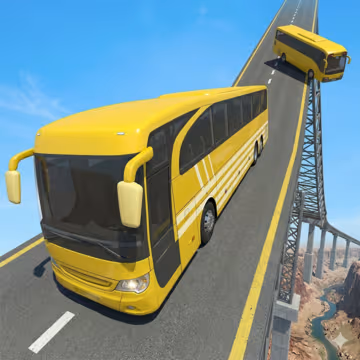
Concept and Inspiration
A long bus needs more room to turn than its driver might expect. Road engineers use the term turning radius for the space a vehicle needs to complete a tight turn; it is a practical concern wherever a road bends sharply. On a mountain switchback, the road may reverse direction by almost 180 degrees, leaving the driver little room to line up a large vehicle. [1] [2]
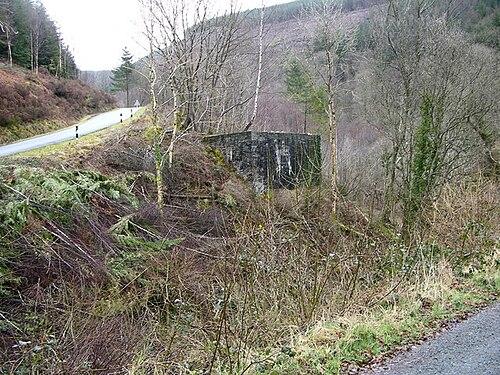
Figure 1. A tight bend on a real mountain road, where turning space matters.
Photo: liz dawson | ccby-sa2.0
The problem extends beyond the front wheels. Engineers use swept-path analysis to study how a vehicle's full body moves through a corner, taking its dimensions and steering into account. Research on three-axle buses at roundabouts found that their bodies required more room during turns than the design vehicles considered in the guidelines examined. The road has to accommodate the whole bus, not simply where its nose points. [3] [4]
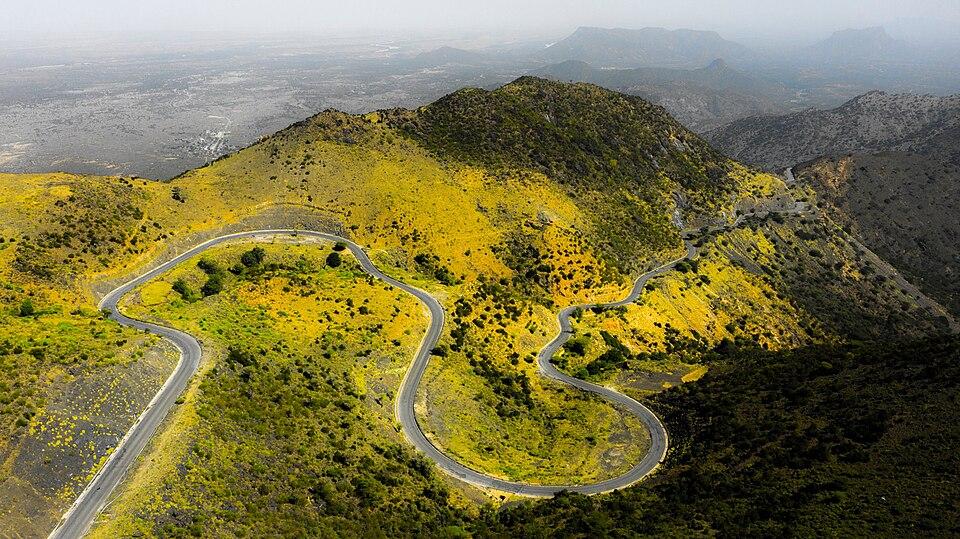
Figure 2. An aerial view of a winding highway crossing the Golis Mountains in Somaliland.
Photo: Abdifatah Y. Barwaaqo | publicdomain
Even an ordinary lane has a clear purpose: guiding a line of traffic along a usable part of the roadway. Engineers also compare simulated swept paths with GPS-recorded journeys by real vehicles when checking how accurately their models describe movement. These are serious tools for everyday roads, but they offer a wonderfully exaggerated question for a driving game: how carefully could you handle a full-size bus if almost every corner floated above a city? [5] [6]
At slope3.com, we developed Impossible Bus Stunt around that playful question. Our bright yellow bus is deliberately large against roads that shrink from generous purple platforms to narrow suspended strips. Curving tracks, steep orange ramps, and a distant city turn the familiar task of taking a corner into a high-altitude balancing act. The real-world geometry gives the idea its spark; the colorful courses give you a place to test your nerve.
Story
High above an imagined city, the streets are too crowded for one last extraordinary journey. Mara, a veteran bus driver, has been asked to bring a ceremonial yellow bus to a green terminal beyond the rooftops. The direct route is gone. In its place stretches a festival of floating roads: purple launch platforms, sharp bends edged in bright colors, and ramps that climb toward the clouds.
From the ground, each ribbon of road looks wide enough. Behind the wheel, Mara discovers how quickly a bend can swallow the space around a long bus. Balloons drift near the course, giant hoops frame its climbs, and tiny buildings shimmer far below. Every crossing asks for a little patience; every straightaway tempts her to push harder.
The journey becomes a race against the fading light, but rushing every turn is the surest way to lose the road. Mara's imagined mission captures the spirit of Impossible Bus Stunt: guide something big through places that seem far too small, reach the next green landing area, and keep going until the final route is conquered.
Gameplay
Drive the yellow bus along an elevated course, steer through its bends, and touch the green finish platform to complete the level. You control the bus's acceleration, braking or reverse movement, and steering while keeping it on the road. Fall off the course and you lose that attempt's progress: the bus returns to the beginning of the level. Finish successfully to earn stars based on your completion time and unlock the next level. The faster you finish, the more stars you earn.
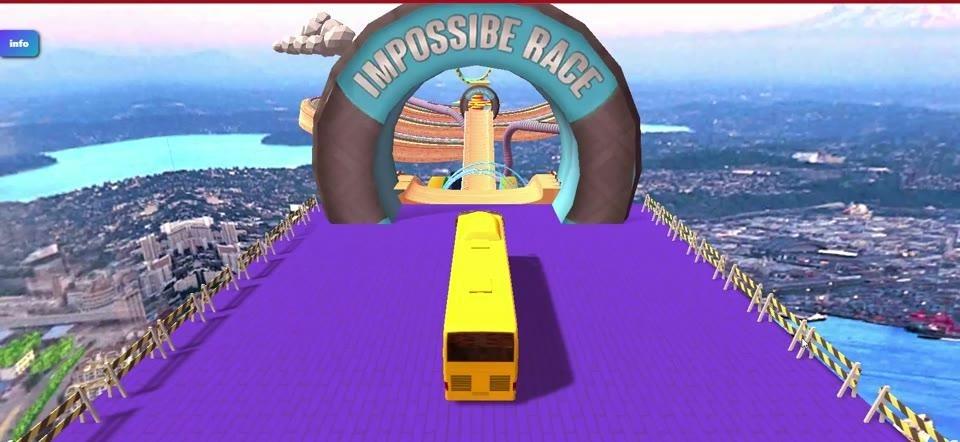
Figure 3. A yellow bus approaches a dark arch along a broad purple platform above the city.
Your Bus and the Road Ahead
The playable vehicle is a long yellow bus with dark windows, viewed from behind. That camera angle keeps the bus and the next stretch of road in view. A broad purple platform gives you room to approach the route, but later sections demand tighter steering. The large dark arch marked IMPOSSIBLE RACE stands across an approach road.
The course changes shape as you move forward. A winding asphalt road has cyan, pink, and white stripes along its edges; steep orange-brown slopes rise and fall between suspended sections. Thin gold, purple, and turquoise paths leave little spare space on either side. Black-and-yellow guardrails and short posts mark some edges, while other crossings expose the drop directly.
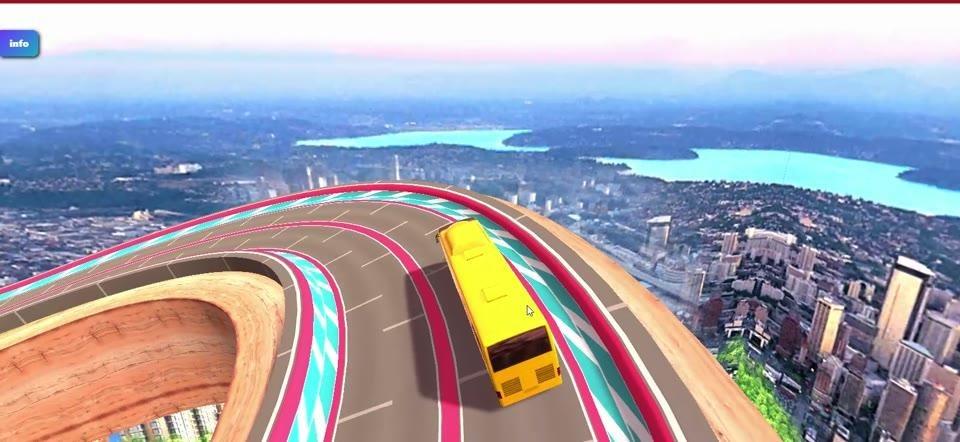
Figure 4. A curving road with colorful edge stripes hangs over the city.
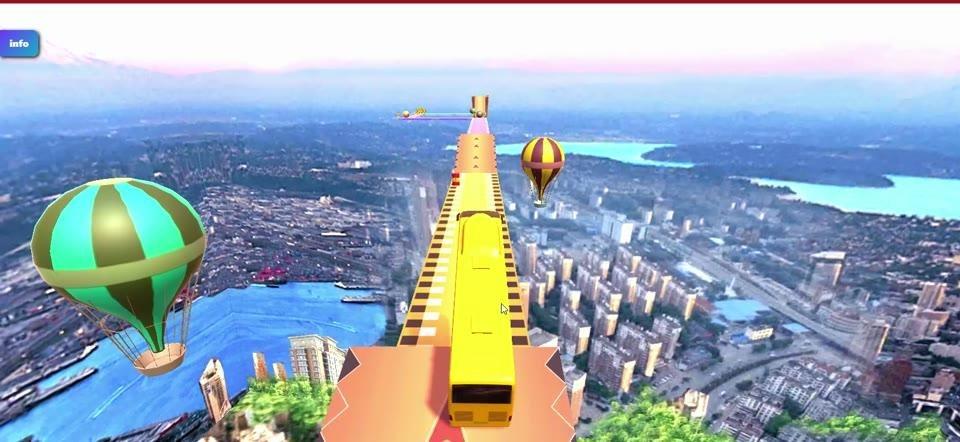
Figure 5. The bus approaches a thin suspended connection with very little room to steer.
Obstacles and Course Markers
Watch for the stationary red-and-purple sphere near a narrow turquoise section. It is a real obstacle: your bus can hit it, which slows the vehicle and may make the next turn easier. It is a curious choice when you are tempted to keep speeding ahead.
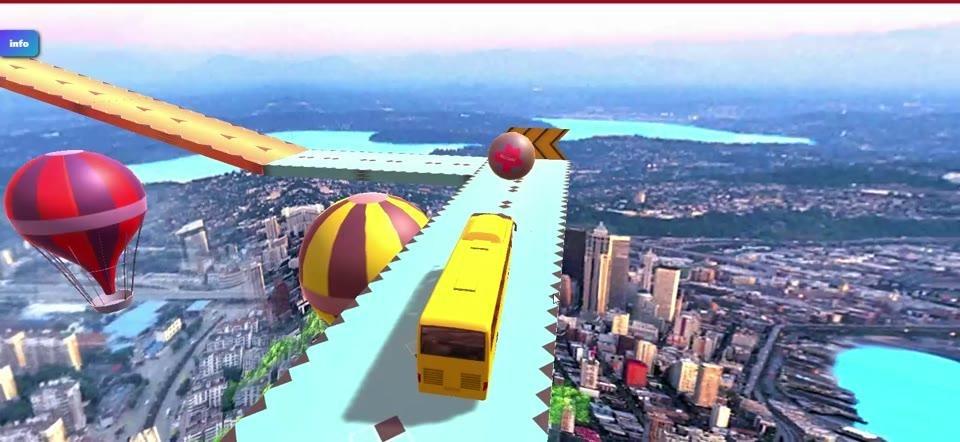
Figure 6. A red-and-purple spherical obstacle stands beside a narrow turquoise route.
Not every colorful object changes the rules. Tall turquoise, pink, and purple hoops frame a steep route, balloons decorate the skyline, arrow signs point along the course, and repeated red triangles mark the orange roadway. These are visual features and route markings, not power-ups. The black-and-yellow barriers likewise mark the road edge rather than acting as confirmed crash triggers.
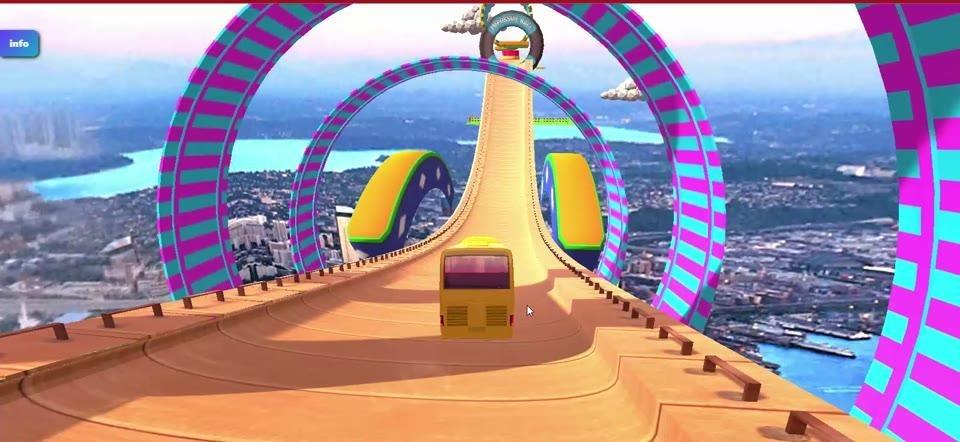
Figure 7. Bright concentric hoops surround a steep orange stunt roadway.
Finishing, Stars, and Trying Again
For example, guide the bus across a wide section, slow for a sharp turn, and line it up with the next narrow bridge. If it stays on the track, keep driving until it touches the green finish platform, including the bright green grid landing area. That contact completes the level and brings up LEVEL COMPLETE with a three-star display. Your completion time determines how many stars you receive; no separate point score, currency, or lives counter is part of the confirmed rules.
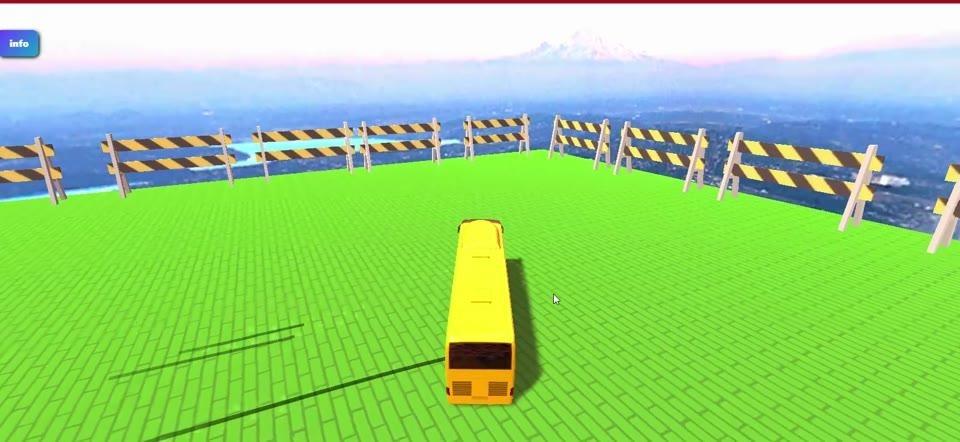
Figure 8. The bus stands on a bright green grid platform bordered by edge markers.
A fall ends the current attempt and sends the bus back to the level's start, so the progress made along that route must be repeated. Completing a level rewards stars and unlocks another course. On the result screen, the orange HOME button with its house symbol returns to the main menu; the green NEXT button with a play triangle takes you to the next level. The game contains a finite set of levels, and finishing the last one completes the game.
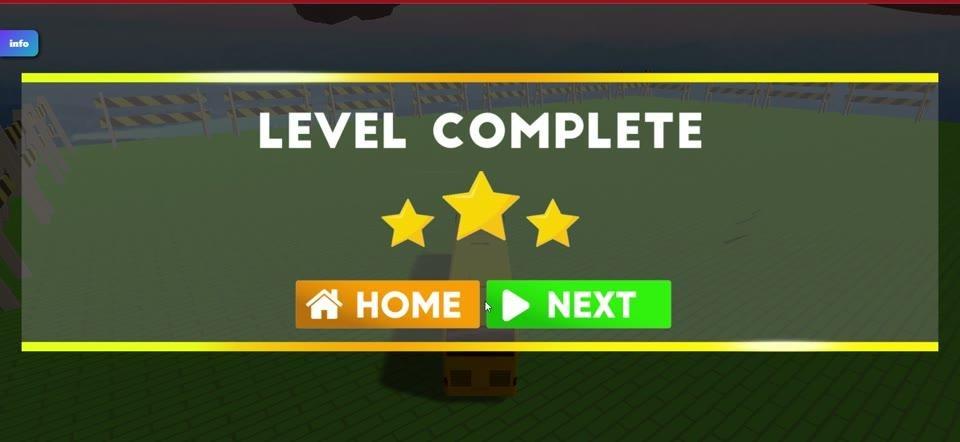
Figure 9. The level-complete screen displays three stars and Home and Next choices.
A dark screen reading Continue in 1 is an advertisement interruption, not a separate driving challenge. Once you return to the course, your immediate job remains the same: keep the long bus on the road and reach the finish.
Visual Style
Impossible Bus Stunt uses a bold, colorful 3D look. The bus's saturated yellow body stands out against purple platforms, orange ramps, turquoise paths, and a city rendered far below. From the rear camera, you can see the next corner and how much roadway surrounds the bus. That contrast makes an upcoming thin bridge easy to recognize before you reach it.
The skyline mixes blocks of buildings, blue waterways, and a broad horizon, giving each floating course an exaggerated sense of height. Rainbow-like roadside stripes, circular hoops, balloons, dark arches, and arrow-shaped decorations add the feel of a sky-high stunt festival while the bright green finish area gives each completed drive a clear destination.
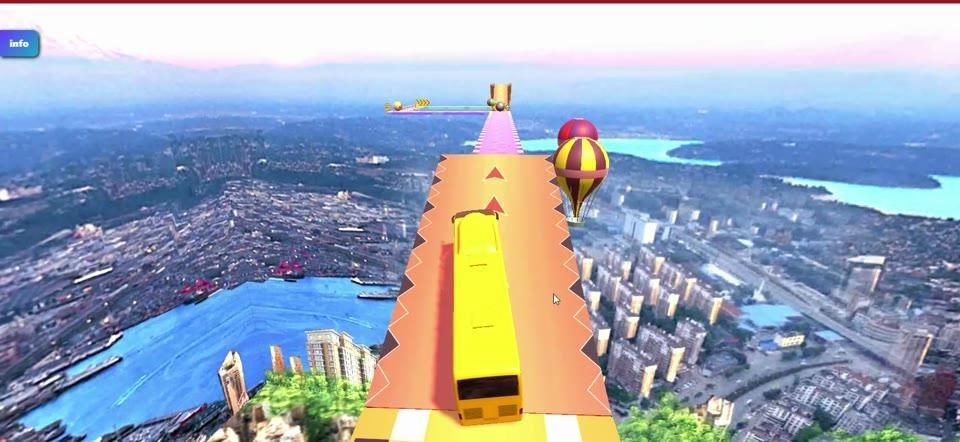
Figure 10. An orange elevated road uses repeated red triangles as directional markings.
Standout Features
The most distinctive challenge is the vehicle itself. A full-length bus must negotiate narrow crossings and abrupt curves that would feel very different in a compact car. You can accelerate on an open stretch, but the next bend may reward braking and careful steering. The course alternates between wide approaches and sections that leave almost no margin for error.
The stationary sphere adds a surprising moment of contact: bumping it slows the bus and can help with a turn. Elsewhere, orange climbs, brightly edged bends, and suspended bridges keep changing what you see directly ahead. The star reward makes finishing quickly appealing, while falling off means starting that level again. Together, those rules turn every route into a choice between pace and precision.
The levels also offer a clear sense of progress. Reaching a green platform unlocks the next course, and the final completed level marks the end of the game. Explore Impossible Bus Stunt on slope3.com and take the yellow bus all the way to its last finish.
Controls
PC — Keyboard
1. Press W or the Up Arrow to accelerate the bus.
2. Press S or the Down Arrow to brake or reverse.
3. Press A or the Left Arrow to steer left; press D or the Right Arrow to steer right. Use these steering inputs while moving to follow the road.
Mobile — On-Screen Buttons
1. Find the on-screen driving buttons for acceleration, braking, and steering.
2. Use the acceleration or brake buttons to change the bus's movement, and the steering buttons to turn it left or right along the course.
References
[1] Turning radius. https://en.wikipedia.org/wiki/Turning_radius
[2] Hairpin turn. https://en.wikipedia.org/wiki/Hairpin_turn
[3] AutoTrack. https://en.wikipedia.org/wiki/AutoTrack
[4] Swept Path Analysis on Roundabouts for Three-axle Buses - Review of the Croatian Design Guidelines. https://openalex.org/W2609751471
[5] Lane. https://en.wikipedia.org/wiki/Lane
[6] Vehicle swept path analysis based on GPS data. https://doi.org/10.1139/cjce-2017-0245
Image Credits
Hairpin bend on mountain road - geograph.org.uk - 750835.jpg — liz dawson — ccby-sa2.0. https://commons.wikimedia.org/wiki/File:Hairpin_bend_on_mountain_road_-_geograph.org.uk_-_750835.jpg License: https://creativecommons.org/licenses/by-sa/2.0
Sheikh mountain, Somaliland.jpg — Abdifatah Y. Barwaaqo — publicdomain. https://commons.wikimedia.org/wiki/File:Sheikh_mountain,_Somaliland.jpg