Concept and Inspiration
A chess problem begins where a long match might end: a handful of pieces, a dangerous king, and one precise question. In a traditional two-move problem, White must force checkmate on its second move against any defense Black chooses. The challenge is set by a composer for a solver, rather than arising from a full contest between two players. [1] A beautifully simple position can make every empty square feel important.
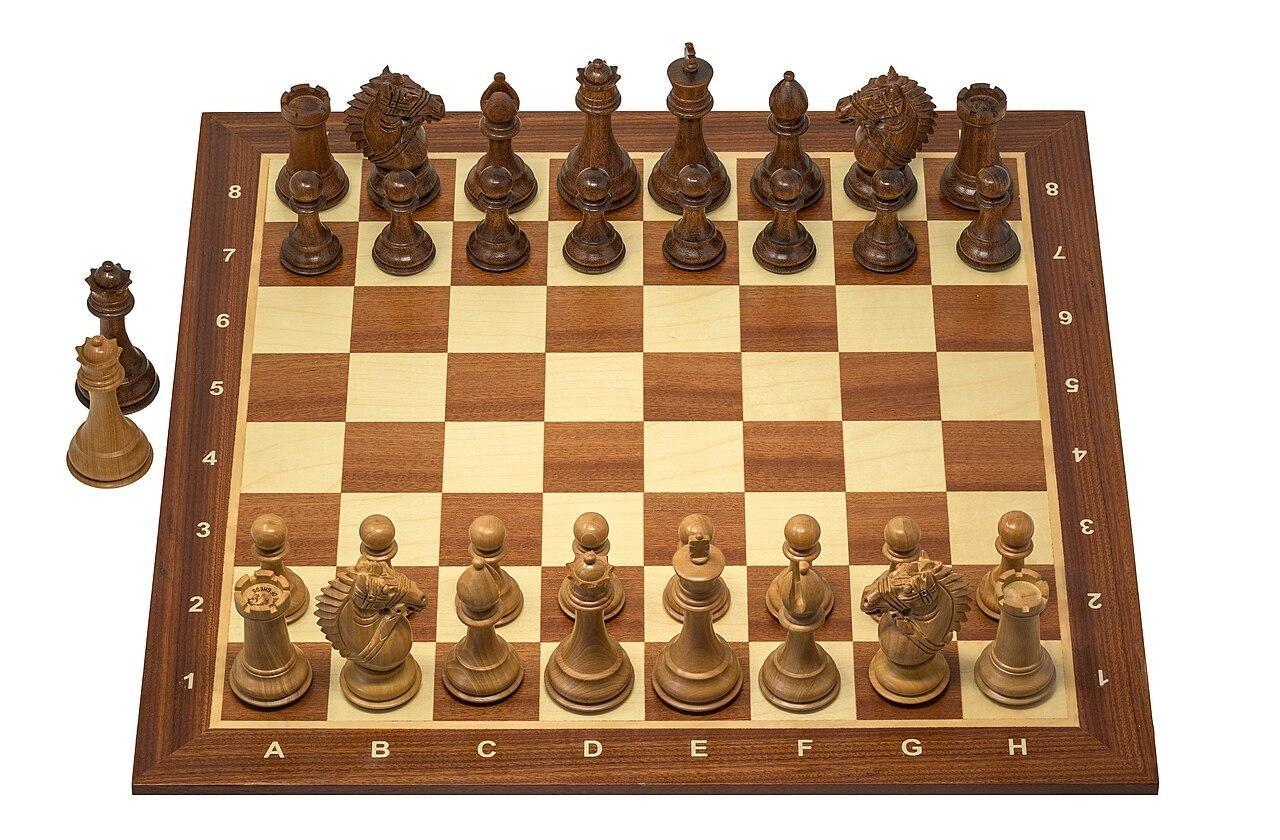
Figure 1. A wooden chess set arranged on a full-size board, showing the familiar pieces that chess problems rearrange into new positions.
Photo: Wilfredor | cc0
People have spent generations treating those positions as puzzles in their own right. American composer Sam Loyd became known for chess problems built around striking themes. [2] Chess educator László Polgár later published Chess: 5334 Problems, Combinations, and Games, a reminder of how much material can grow from one set of movement rules. [3] Solving is a different kind of pleasure from playing a match: you get a small scene and must discover why one move matters.
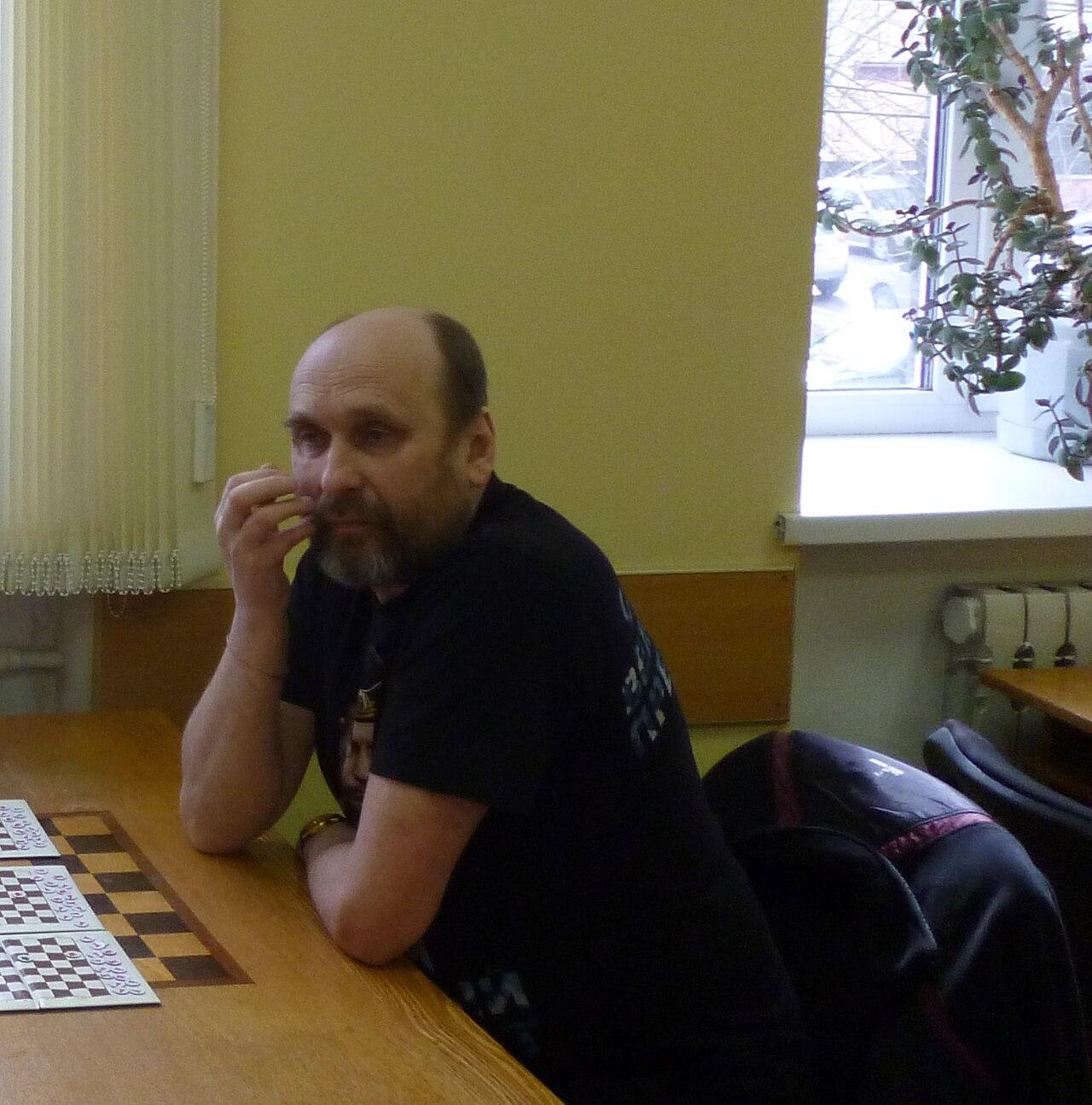
Figure 2. A participant studies chess diagrams at a table during a chess-solving competition.
Photo: Q Valda | ccby-sa4.0
There is craft in leaving things out. Among the conventions discussed in research on chess composition are avoiding unnecessary pieces and sometimes avoiding a checking first move. [4] Another study of chess aesthetics identified eight principles and ten themes in an attempt to describe what makes a sequence of moves appealing. [5] You do not need to memorize those theories to enjoy a puzzle; they help explain why a quiet move can feel more satisfying than a flashy attack.
The ending must be exact. In chess, checkmate means a king is under attack and has no legal escape; a king that cannot move but is not in check is stalemated instead. [6] That distinction gives a short-mate problem its tension: threatening the king is easy to imagine, but closing every exit takes care.
We developed Pocket Chess at Slope3 around that sense of a complete chess drama in miniature. Our cream-and-tan boards squeeze a few ivory pieces and a defending dark king into a narrow space, while the 'Mate in 1' and 'Mate in 2' prompts make the task instantly clear. The idea is to give you the satisfying moment when a crowded puzzle suddenly resolves into one unavoidable finish.
Story
Imagine a kingdom small enough to fold into a coat pocket. Its halls are tiled in cream and gold, and each doorway is only one square wide. The dark king has taken the last chamber of the palace and ordered every passage guarded. If the ivory court cannot reach him before the gates close, the tiny kingdom will remain trapped in silence.
The court's last messenger is a horse-headed knight who has crossed the shrinking halls with news of a hidden path. Beside him stands a queen who can watch long corridors, and a modest pawn who knows that guarding a single square may matter more than charging forward. The dark king is alert. Each time the court advances, he slips toward the safest opening, forcing the messenger to think beyond the move directly in front of him.
At the final chamber, the obvious attack would only send the king running. Instead, the queen closes a corridor, the pawn stands firm at a narrow exit, and the knight waits for the moment when escape is impossible. The kingdom is saved by a choice that looks almost too small to matter. That is the little tale behind each pocket-sized confrontation: not a grand battle, but a precise ending earned one square at a time.
Gameplay
Your goal in Pocket Chess is to checkmate the dark king within the number of white moves shown above the board. You control the ivory chess pieces: select one, choose a legal destination, and watch it move. If the king is still able to defend, he takes his best available reply. Keep choosing moves until you deliver mate within the 'Mate in 1' or 'Mate in 2' limit. The on-screen move counter shows how many white moves remain.
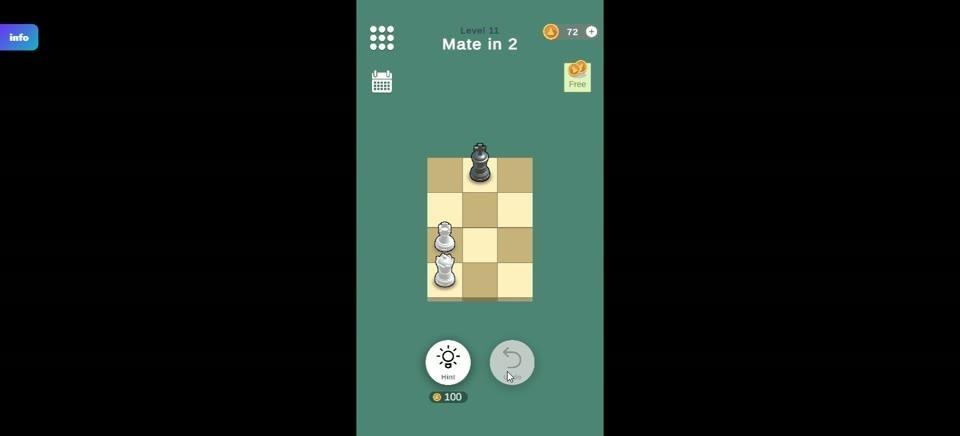
Figure 3. A 'Mate in 2' puzzle presents a narrow chessboard with ivory pieces facing a dark king.
Pieces and Legal Squares
Your side includes a horse-headed white knight, an ivory queen with a high, broad top, and short white pawns. Their different shapes make it easier to tell the pieces apart on a board only a few squares wide. Opposite them stands a tall dark king and, in some puzzles, short dark pawns. The dark pawns can be captured using ordinary chess rules.
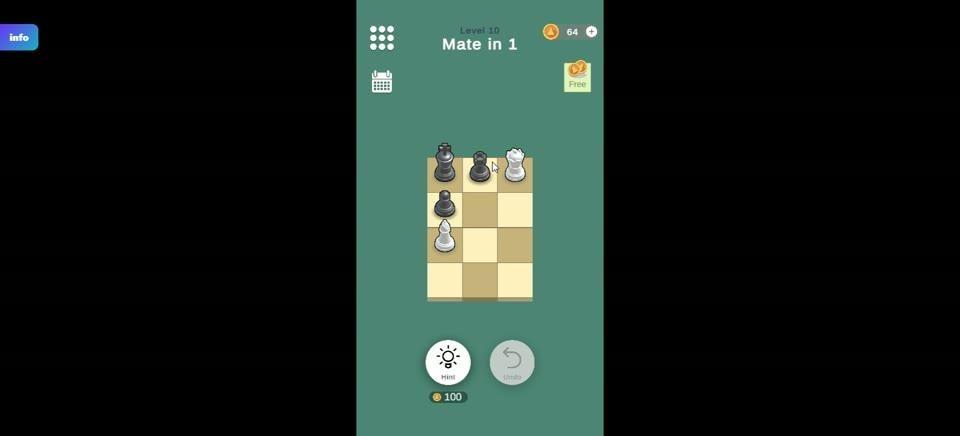
Figure 4. Ivory pieces confront a dark king and dark pawns on a compact cream-and-tan board.
Each piece follows chess movement rules. When you select one of your pieces, gray dots show all of its legal destination squares. Choose a marked square to make that move; an unmarked destination is not a legal move for that selection. The dots keep the small board readable even when several pieces stand close together.
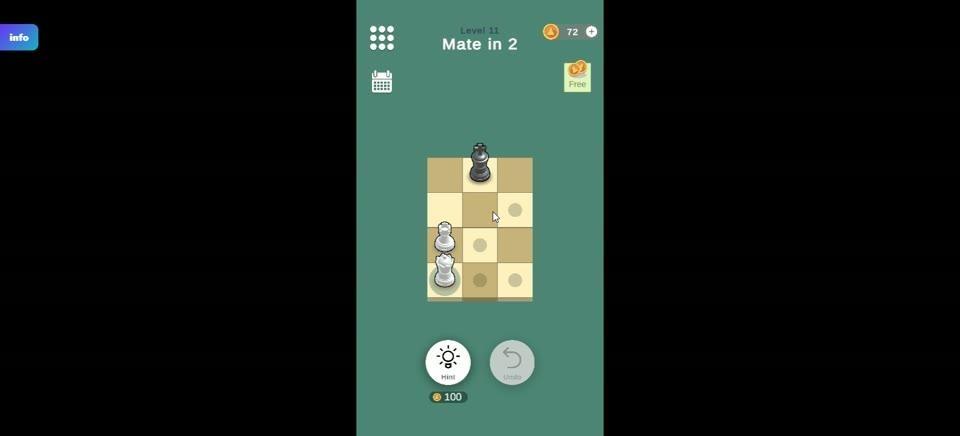
Figure 5. Gray dots identify the legal squares available to a selected white piece.
Reading the Challenge
Look first at the goal above the board. 'Mate in 1' asks for a finishing white move immediately. 'Mate in 2' gives you two white moves, with the dark king's defensive reply between them. For example, in a two-move puzzle, look for an opening move that leaves a checkmate after the king chooses its safest reply, then use your remaining move to finish. A move that merely threatens the king is not enough if he can still escape.

Figure 6. A 'Mate in 1' challenge shows a small board, the dark king, and the available ivory pieces.
The board changes from level to level: some puzzles use two columns, others three, with different starting arrangements of pieces. The 'Level' label tells you where you are in the sequence, and an active status such as '1 move left' shows your remaining allowance.
Each position asks you to read the current squares afresh.

Figure 7. The active puzzle shows a '1 move left' counter above its compact board.
Checkmate, Coins, and Trying Again
A solved position displays 'Checkmate!' above the board. The defeated dark king tips over on a reddish highlighted square, marking where the king was mated. Every cleared level awards eight gold coins, shown beside the result. Press the large white 'Collect' button below the board to claim them and proceed to the next level.
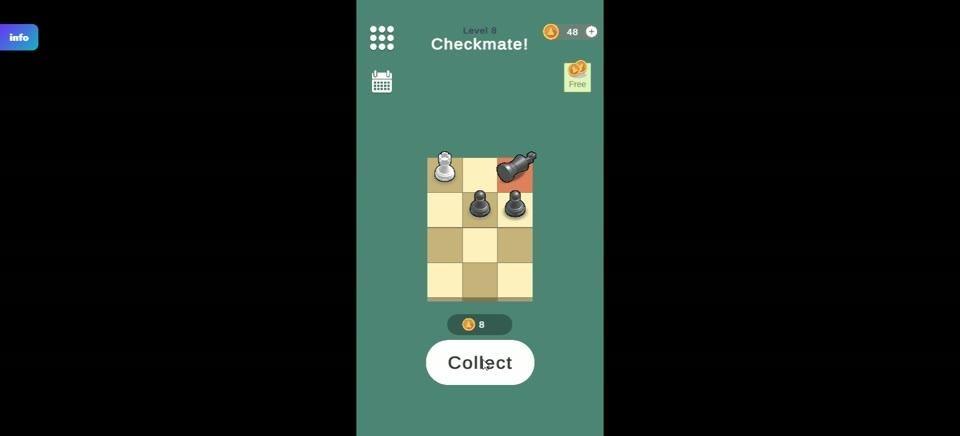
Figure 8. The completed puzzle shows the toppled dark king, a highlighted square, eight coins, and the Collect button.
If you use all the allowed moves without checkmate, you have not solved that level. Use Undo to back up and try a different move sequence; the puzzle does not automatically restart. Undo reverses your most recent legal move, costs nothing, and can be used without a limit. An unsuccessful attempt does not take away your earned coins or cleared-level progress.
Pocket Chess has a finite set of levels and a final completion screen after the last one. Your current puzzle, unlocked levels, and coin balance are saved when you leave and return. You can also replay levels you have already cleared, so completing one board does not mean losing access to its solution.
Hints and Extra Puzzles
Below the board, the lightbulb-shaped 'Hint' control costs 100 coins. It points out which piece you should move, but it does not supply the destination square. Beside it, the curved-arrow 'Undo' control lets you test another line. At the upper right, your coin total sits beside a plus button that offers gold for watching an ad; the yellow 'Free' gift tile also provides free coins.
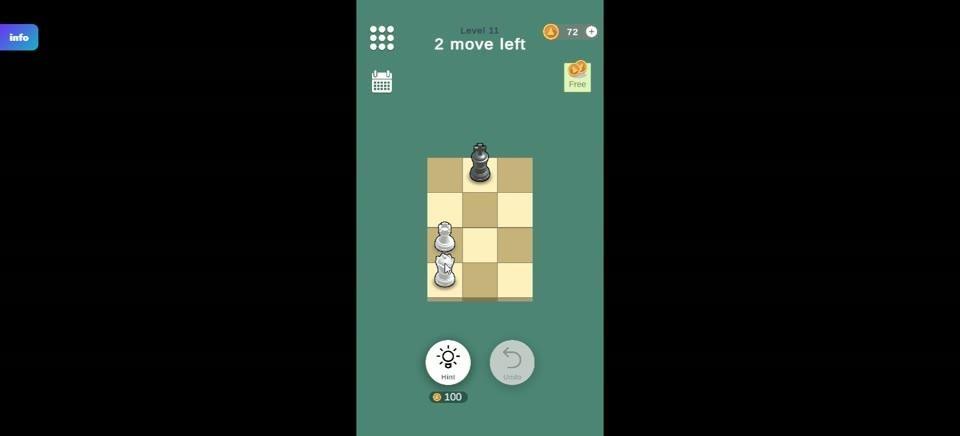
Figure 9. The teal play screen places Hint and Undo beneath the board and coin-related controls at the upper right.
The nine-dot icon near the upper left opens the level menu, where you can select a previously completed puzzle to replay. The calendar icon below it opens daily chess puzzles. A small blue 'info' tab along the far left opens the Slope3 game menu.
Visual Style
We chose a muted teal background so the little chessboard stands out immediately. Alternating cream and tan squares give you clear paths to follow, while the ivory and charcoal pieces use recognizable horse-head, pawn, and royal silhouettes. The narrow boards leave plenty of space around each move; even a queen or knight sitting next to the king remains easy to pick out.
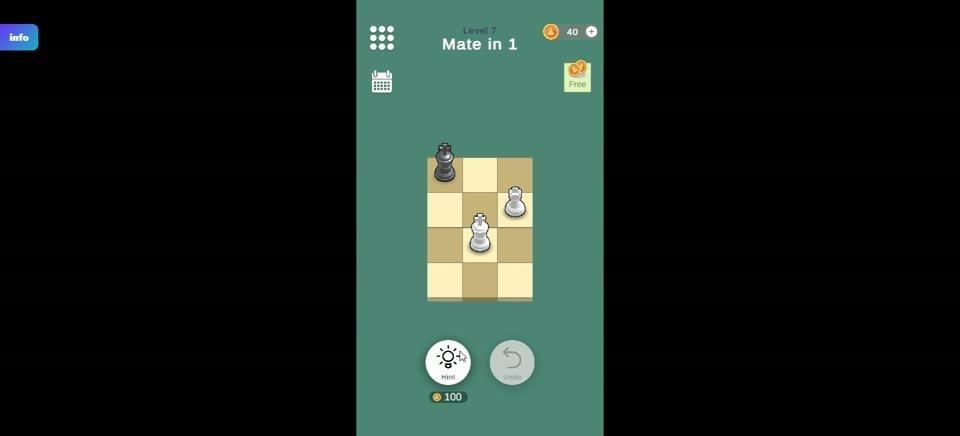
Figure 10. A three-column chessboard sits against the muted teal backdrop with bright ivory and dark pieces.
Large white puzzle prompts sit above the board, and rounded buttons sit beneath it. When you solve a position, the upright king gives way to a toppled dark piece on a warm red-orange square. That small change, paired with the 'Checkmate!' label and coin badge, makes the result clear without needing a crowded victory screen.
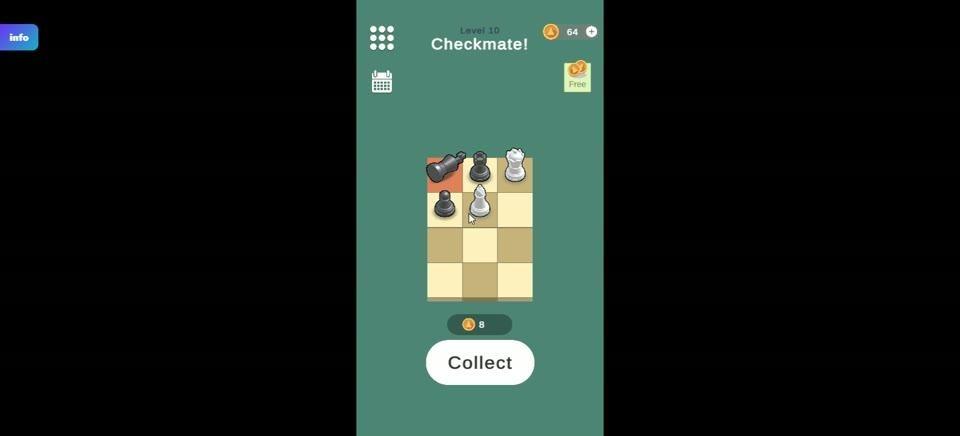
Figure 11. A finished chess puzzle highlights the fallen dark king and displays the checkmate reward.
Standout Features
A traditional match grows out of two players' ongoing choices; a composed chess problem gives you a position with a specific task to solve. [1] Pocket Chess brings that focused puzzle feeling to very narrow boards. With only a few pieces and one or two white moves available, you can see the whole position at once, but you still have to account for the dark king's strongest defense. Fewer squares do not mean a careless move will work.
There is room to experiment without losing your earlier progress. Free, unlimited Undo lets you reconsider a line, while a 100-coin Hint identifies the useful piece without handing over the exact square. Eight-coin clears, replayable stages, and daily puzzles give you different reasons to return. When you are ready for a little checkmate hunt, play Pocket Chess on Slope3.
Controls
PC
1. Left-click an ivory chess piece on the board. Gray dots appear on all squares where that piece may legally move.
2. Left-click one of the marked destination squares. Your piece moves there according to chess rules, and the dark king makes its defensive reply if the position is not yet checkmate.
Mobile
1. Tap an ivory chess piece on the board. Gray dots identify its legal destinations.
2. Tap one of those marked squares to move the piece. If the king has not been checkmated, he responds with his defensive move.
References
[1] Chess problem. https://en.wikipedia.org/wiki/Chess_problem
[2] Sam Loyd. https://en.wikipedia.org/wiki/Sam_Loyd
[3] László Polgár. https://en.wikipedia.org/wiki/L%C3%A1szl%C3%B3_Polg%C3%A1r
[4] How Relevant Are Chess Composition Conventions?. https://doi.org/10.48550/arxiv.1309.3039
[5] Advanced computer recognition of aesthetics in the game of chess. https://openalex.org/W2165075324
[6] Checkmate. https://en.wikipedia.org/wiki/Checkmate
Image Credits
Chess game Staunton No. 6 perfil view 8.jpg — Wilfredor — cc0. https://commons.wikimedia.org/wiki/File:Chess_game_Staunton_No._6_perfil_view_8.jpg License: http://creativecommons.org/publicdomain/zero/1.0/deed.en
Evgeny Fomichev 2015.jpg — Q Valda — ccby-sa4.0. https://commons.wikimedia.org/wiki/File:Evgeny_Fomichev_2015.jpg License: https://creativecommons.org/licenses/by-sa/4.0