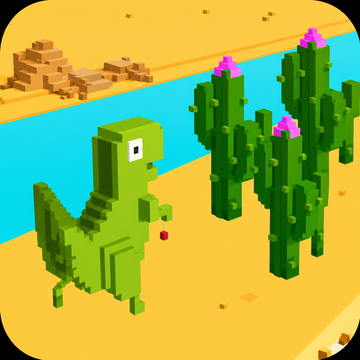
Concept and Inspiration
A desert can look empty from a distance, yet its quiet stretches hold an intricate struggle to survive. Desert ecology studies how living things interact with scarce water, climate, soil, and other parts of their surroundings. Not every desert is hot, either: arid landscapes also exist in cold regions. What unites them is the challenge of living with limited moisture. [1]
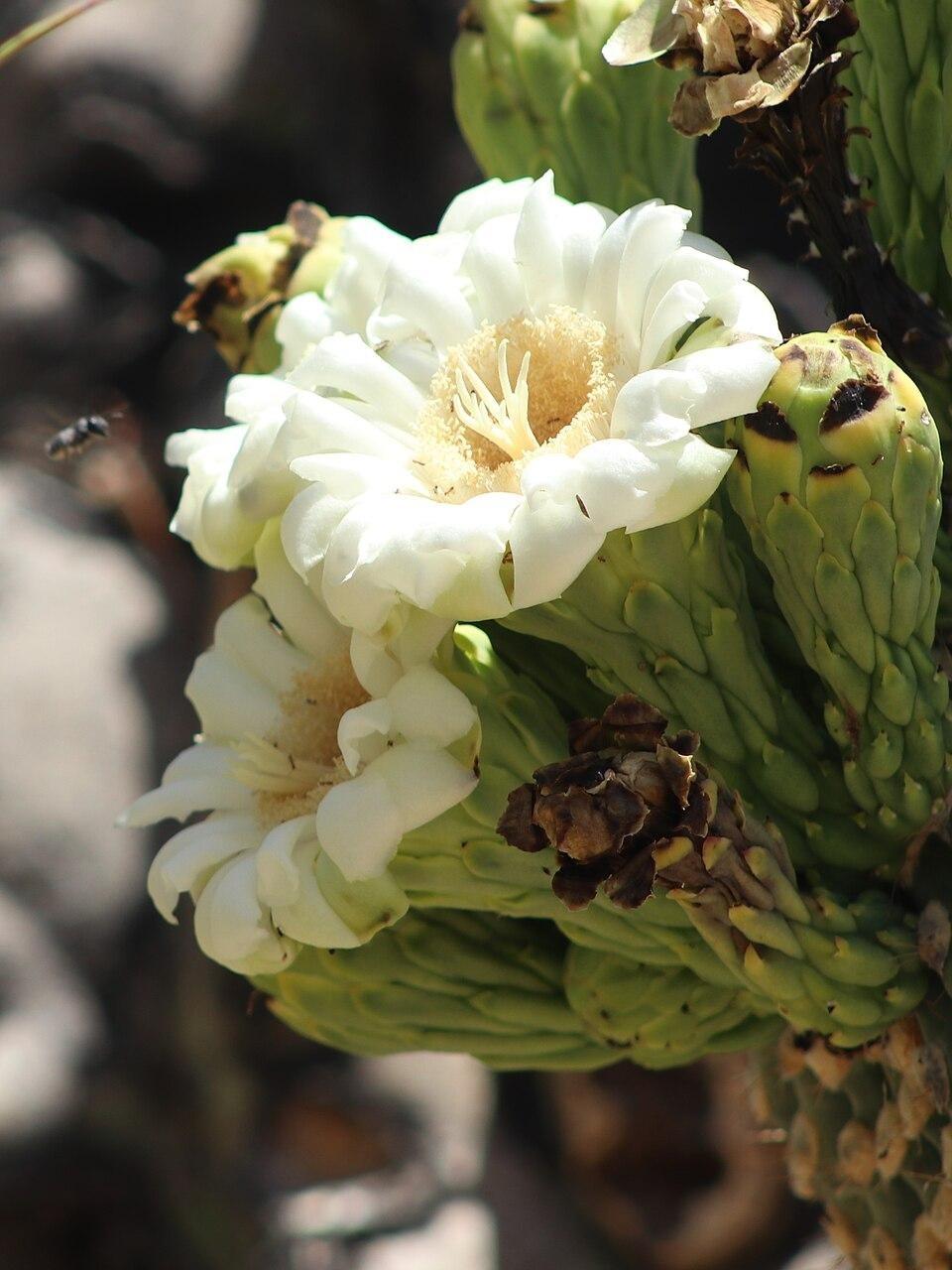
Figure 1. A saguaro cactus growing in Arizona's Sonoran Desert landscape.
Photo: BLMArizona | publicdomain
Cacti offer a striking answer to that challenge. Most store water in fleshy stems rather than leaves, and their spines can help shade the surface and slow the movement of air around it. Cacti are native mainly to the Americas, where their varied shapes include towering columns and compact clusters. [2] Other succulent plants may store water in leaves as well as stems, a useful reminder that similar survival problems can produce different plant forms. [3]
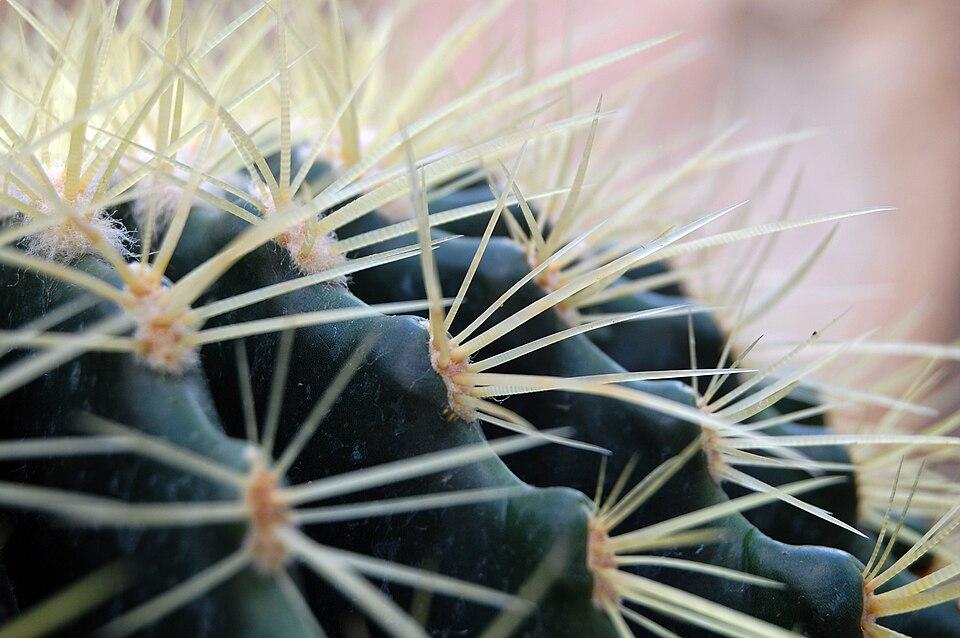
Figure 2. A close view of cactus spines, one of the plant's distinctive desert adaptations.
Photo: Whyfor | ccby-sa4.0
There is remarkable engineering inside those simple silhouettes. Researchers studying cactus stems describe flexible outer tissues and fluted structures that allow a stem to expand and contract as it takes up or stores water. [4] Studies of prickly pear also describe its tolerance for erratic rainfall and high temperatures, showing why cacti matter in efforts to cultivate plants in dry regions. [5]
Water also leaves its mark on desert ground. An arroyo, or wash, is a channel that may remain dry until rain sends water through it, sometimes suddenly. [6] Research on ephemeral desert streams identifies several channel shapes, including branching, braided washes. [7] That contrast between an apparently dry world and the possibility of water gives us a vivid idea for a journey that keeps stretching ahead.
We developed Dinosaur Game 3D for slope3.com as a playful crossing of such a landscape. Our chunky green dinosaur runs through ocher sand, past bold cactus silhouettes and alongside a bright turquoise channel. The setting is imaginative rather than a reconstruction of a particular desert; the channel gives the horizon a colorful companion while the real challenge comes from the obstacles rushing toward you. The desert's theme of persistence becomes a simple question: how far can your little runner travel this time?
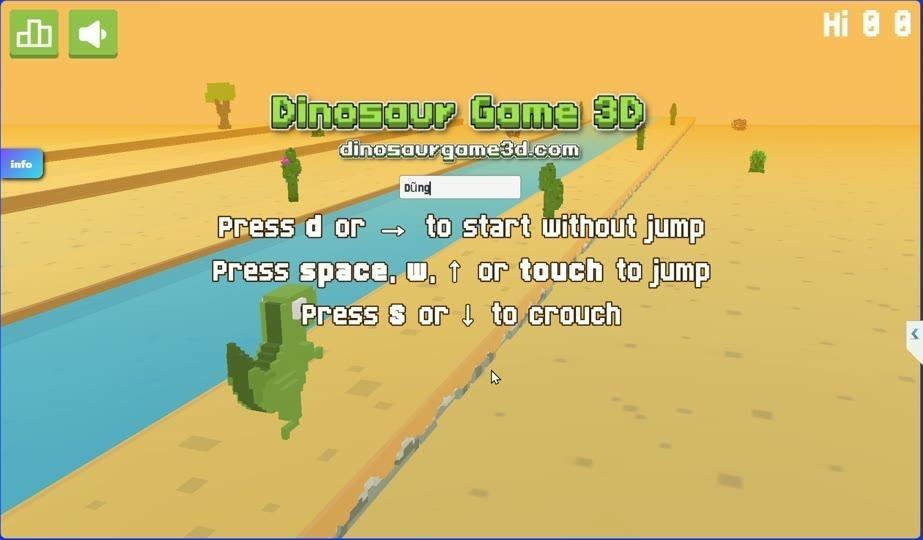
Figure 3. The square-headed green dinosaur at the start of its sandy desert journey beside a turquoise channel.
Story
At the first light of an imagined desert morning, a small green dinosaur named Pip sets out beside a ribbon of blue. Pip believes that somewhere beyond the ocher plains lies a sheltered green refuge, a place where the land finally softens and the long crossing can end. The water-colored ribbon seems to point the way, but every distant bend reveals more sand.
Tall cacti stand like watchful sentries. Smaller clusters crowd the path just when Pip finds a comfortable rhythm. Birds sweep across the open sky, some high enough to pass above a crouched traveler, others low enough to demand a leap. Each narrow escape carries Pip farther into a country where survival means noticing what comes next.
The refuge stays beyond the next horizon, and a stumble sends the little adventurer back to begin another crossing. But Pip keeps a record of the farthest journey. This fictional tale gives the endless run an emotional thread: the destination may never arrive, yet each new attempt can carry its traveler farther than before.
Gameplay
Your green dinosaur runs forward through an endless desert. Make it jump over cacti, duck under high-flying birds, and jump over low-flying birds. Every stretch of ground you survive adds to your distance-based score. Touch a cactus or bird and the run ends immediately; use Replay to begin another attempt. There is no final finish line, so the aim is to travel farther and beat your personal best.
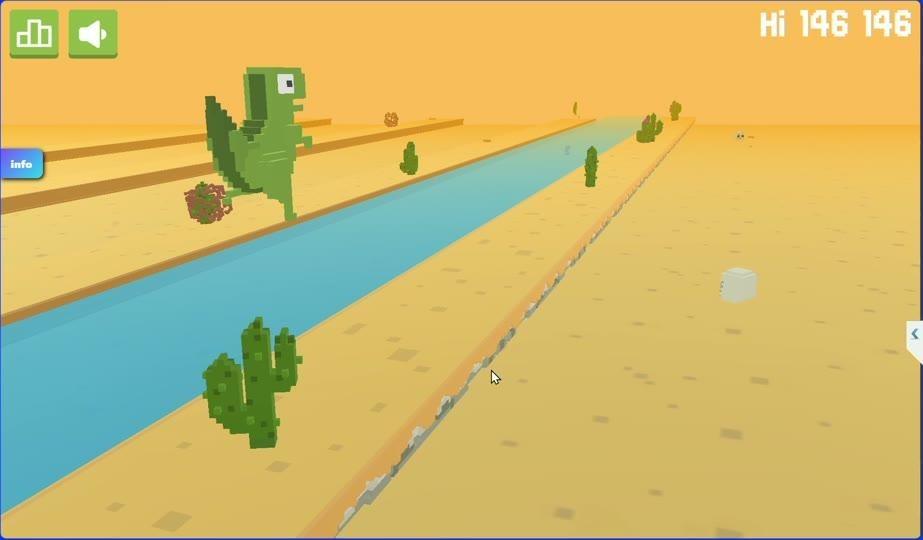
Figure 4. The green dinosaur airborne near cactus obstacles on the desert route.
The Dinosaur and the Desert Route
The runner has a square snout, one clear white eye, tiny arms, two legs, and a tail. The broad yellow-ochre ground stretches away toward the horizon, dotted with darker rectangular marks. You guide the dinosaur's vertical response to hazards as the route continues forward. A thin gray-blue line separates sandy areas visually; it is scenery, not a movement boundary.
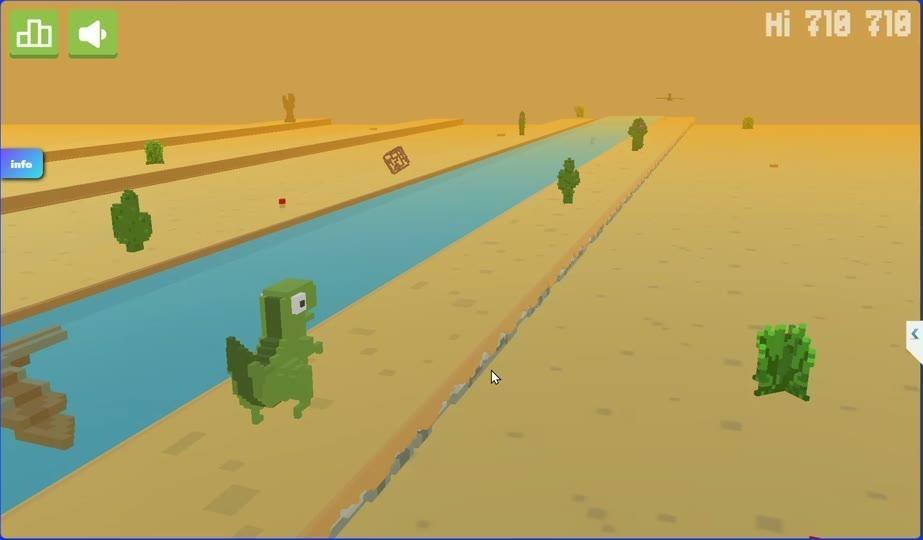
Figure 5. The long sand-colored route with its subtle ground markings and decorative edge line.
Cacti, Birds, and Safe Timing
Watch for three cactus looks: tall green columns with upward branches, low clusters of short stems, and upright cacti with small pink patches at their tips. All are collision hazards. The pink color is a visual detail, not a bonus or a separate special effect. Jump before a cactus reaches your dinosaur and continue running after you clear it.
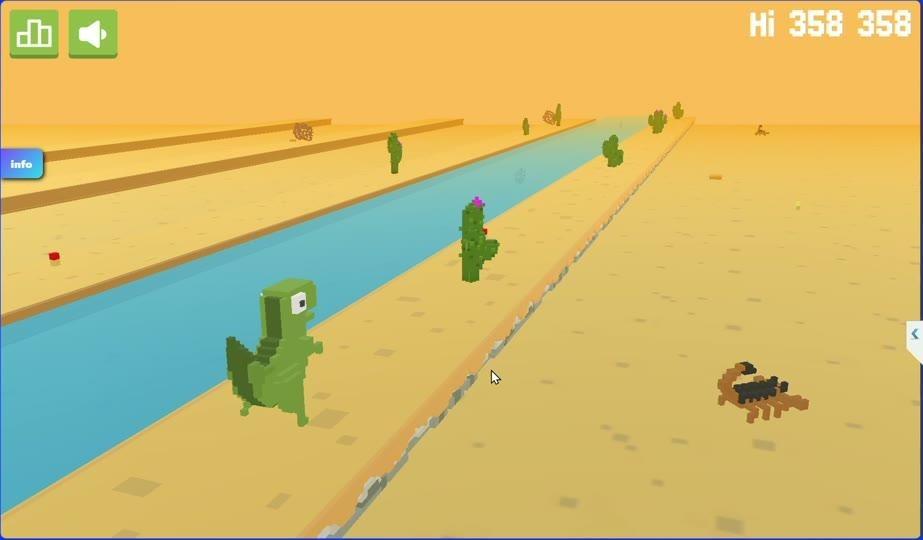
Figure 6. Short green cactus clusters and pink-tipped cacti among the desert obstacles.
Flying birds demand another quick decision. When a bird approaches high, duck beneath it; when one flies low, jump over it. For example, you might leap past a short cactus cluster, land, then crouch as a higher bird crosses your path. A collision with either kind of hazard ends that attempt immediately.
Scenery That Makes the Desert Feel Alive
The brilliant blue water channel runs beside the sand as a noninteractive landmark. Beyond it lies a narrow brown parallel strip, also background scenery. Small green shrubs, distant green-topped trees, tangled brown dry bundles, and a scorpion-shaped creature add life and texture to the surroundings. These decorative objects are distinct from the cacti and birds you must avoid.
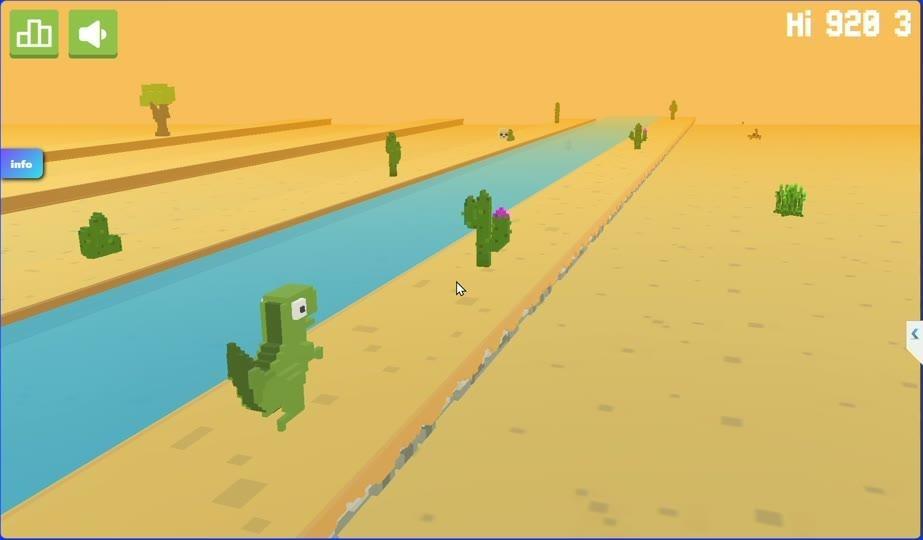
Figure 7. The turquoise channel, scattered desert plants, and cactus shapes beside the running ground.
Score, Game Over, and Replay
Your score rises with the distance you cover; there is no confirmed fixed point award for an individual jump or obstacle. At the top right, the white Hi display shows your highest score followed by the current run's score. A longer successful run can set a new personal best, but it does not complete a final level or unlock a final victory.
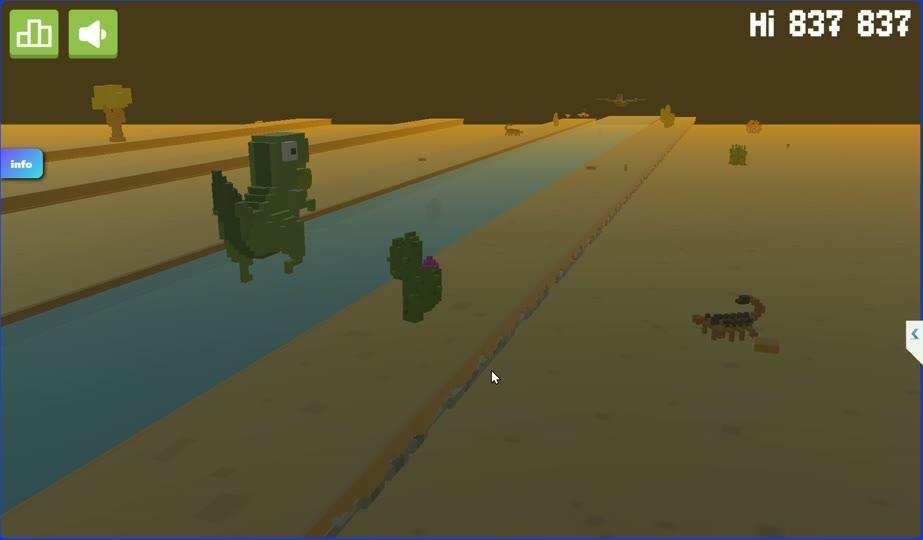
Figure 8. The upper-right high-score and current-score numbers above the ongoing desert run.
Hitting a cactus or a flying bird stops the run. Press Replay to start again: the course and current score reset, while your highest score and online leaderboard rankings remain. The reward for lasting longer is a better distance score and the chance to improve your standing, rather than a finish screen at the end of the desert.
Leaderboard and On-Screen Menu
The small green bar-chart button in the upper left opens an online LEADER BOARD panel. Browse Today, 7 Days, 30 Days, or All time to see ranked entries and the personal-best line, then close the panel using its red X. Beside the chart button, a green speaker button turns game sound on or off. A blue Info tab at the left edge and a narrow white arrow tab at the right edge open our Slope3 game menu.
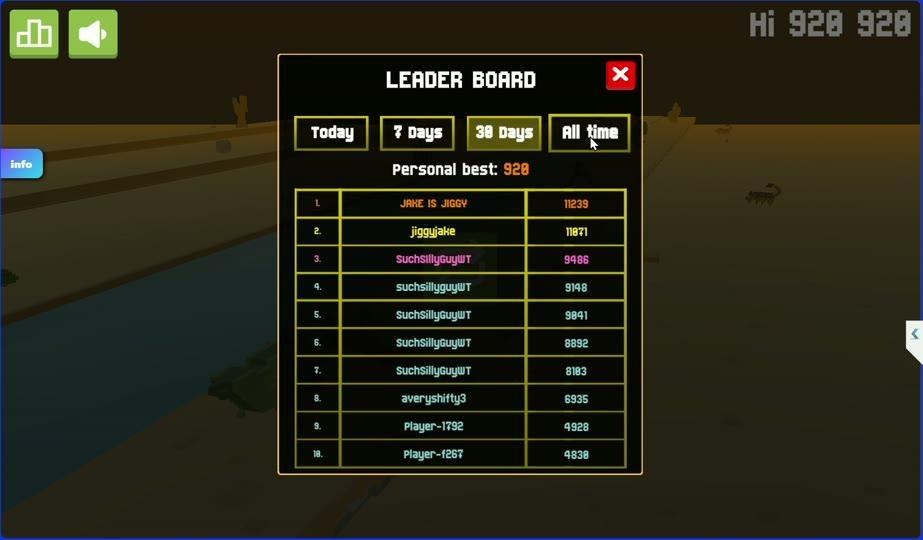
Figure 9. The leaderboard overlay with ranking rows, time-range tabs, and a red close button.
Visual Style
We chose a bright, blocky 3D look that makes the tiny dinosaur easy to recognize at a glance. Its square face and simple limbs stand out against golden sand, while the broad turquoise channel breaks up the warm colors. The angled view lets you see the runner close up and follow the course into the distance.
Tall branching cacti, compact green clusters, and little pink accents give approaching obstacles different silhouettes. Sparse trees, shrubs, and small brown desert details make the surroundings more varied without changing the basic task. White score numbers stay visible above the scene, and the leaderboard uses a darker panel so its rankings are easy to read.
Standout Features
Dinosaur Game 3D keeps its challenge focused on quick readings of obstacle height. Cacti call for a jump, while the height of an oncoming bird decides whether you jump or duck. Each survival decision feeds the same distance counter, so a new personal best comes from staying alert through a longer stretch of desert.
Its simple desert crossing gives the endless-runner genre a different setting from some familiar peers. Temple Run follows an explorer fleeing pursuing creatures after taking a relic. [8] Subway Surfers sends its runner along railroad tracks, avoiding trains and collecting coins and power-ups. [9] Our game centers instead on a dinosaur's jump-or-duck responses to cacti and birds, with distance and persistent rankings providing the reason to try again.
The online leaderboard adds several ways to compare runs, from today's results to all-time rankings. Between attempts, the retained high score makes progress visible even when a collision sends the current score back to the beginning. Play Dinosaur Game 3D on slope3.com and see how far your next crossing goes.
Controls
PC Keyboard
1. On the opening screen, press D to start the dinosaur running without jumping.
2. Press the Up Arrow or Space to jump over an approaching cactus or low-flying bird.
3. Press the Down Arrow to duck beneath a high-flying bird.
Mobile Touchscreen
1. Touch the screen to make the dinosaur jump as an obstacle approaches.
References
[1] Desert ecology. https://en.wikipedia.org/wiki/Desert_ecology
[2] Cactus. https://en.wikipedia.org/wiki/Cactus
[3] Succulent plant. https://en.wikipedia.org/wiki/Succulent_plant
[4] Survival Is Skin Deep: Toughness of the Outer Cactus Stem with Insights for Technical Envelopes. https://doi.org/10.3390/biomimetics10080487
[5] Cactus as a Tool to Mitigate Drought and to Combat Desertification. https://openalex.org/W639628147
[6] Arroyo (watercourse). https://en.wikipedia.org/wiki/Arroyo_(watercourse)
[7] A geomorphic classification of ephemeral streams in arid regions. https://doi.org/10.25675/3.021375
[8] Temple Run. https://en.wikipedia.org/wiki/Temple_Run
[9] Subway Surfers. https://en.wikipedia.org/wiki/Subway_Surfers
Image Credits
Saguaro cactus flower at the Sonoran Desert National Monument (55041650786).jpg — BLMArizona — publicdomain. https://commons.wikimedia.org/wiki/File:Saguaro_cactus_flower_at_the_Sonoran_Desert_National_Monument_(55041650786).jpg
Close up of cactus spines.jpg — Whyfor — ccby-sa4.0. https://commons.wikimedia.org/wiki/File:Close_up_of_cactus_spines.jpg License: https://creativecommons.org/licenses/by-sa/4.0