




















































How to Play Domino Block
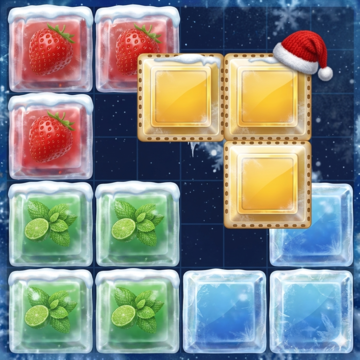
Click the left mouse button to choose the block
Getting Started with Domino Block
Before playing, it's essential to understand the core gameplay and objectives. The primary goal in Domino Block is to remove or manipulate blocks in a way that triggers a successful domino chain reaction without collapsing the structure prematurely. Success requires patience, observation, and planning.
Basic Game Mechanics
- Block Stability: Some blocks support others; removing them too early can collapse structures.
- Domino Chain Reactions: Triggering one block correctly can topple multiple dominos.
- Special Blocks: Certain blocks may have unique effects, like explosive reactions or enhanced chain reactions.
Understanding mechanics early ensures better planning and prevents accidental failures.
Planning Your Moves
Success in Domino Block depends on strategic thinking and careful planning.
Evaluating the Structure
- Identify Key Supports: Determine which blocks are critical for stability.
- Predict Chain Reactions: Visualize how blocks will fall and interact.
- Prioritize Safe Moves: Remove low-risk blocks first to test reactions.
Using Trial and Error
- Test Small Sections: Start with parts of the structure before attempting full reactions.
- Observe Outcomes: Learn from failed attempts to adjust future moves.
- Refine Strategy: Combine safe blocks and risky blocks for optimal chain effects.
Planning and testing moves reduces errors and increases success rates.
Advanced Strategies
Advanced techniques enhance efficiency and help players complete challenging levels in Domino Block.
Timing and Sequence
- Sequential Removal: Remove blocks in a specific order to trigger desired reactions.
- Staggered Toppling: Some levels require delayed falls for maximum domino effect.
- Synchronization: Coordinate movements when multiple chains are involved.
Using Special Blocks Effectively
- Explosive Blocks: Trigger only when it maximizes the domino chain.
- Double-Effect Blocks: Place or remove strategically to amplify chain reactions.
- Obstacle Blocks: Use creatively to redirect or extend reactions.
These techniques allow players to solve complex puzzles with fewer errors.
Maximizing Your Score
Scoring in Domino Block depends on efficiency, creativity, and completing levels with minimal mistakes.
Efficient Chain Reactions
- Minimal Moves: Complete reactions using the fewest necessary actions.
- Long Chains: Trigger longer domino sequences for higher points.
- Bonus Points: Some versions reward creative or complex chain setups.
Risk vs Reward
- Safe vs Risky Moves: Balance careful planning with higher-risk, high-reward strategies.
- Observation First: Analyze structures before attempting risky sequences.
- Combine Techniques: Merge sequential and staggered toppling for maximum effect.
Optimizing strategies ensures high scores and faster level completion.
Multiplayer and Competitive Modes
Some versions of Domino Block include competitive or collaborative play.
Head-to-Head Challenges
- Compete for Time: Complete levels faster than opponents.
- Observe Competitors: Learn strategies from others' moves.
- Adapt Quickly: Modify your approach based on competitor performance.
Collaborative Puzzle Solving
- Team Strategies: Work with others to trigger chain reactions efficiently.
- Divide Tasks: Assign blocks or sections to teammates for coordinated results.
- Communicate Moves: Ensure timing is synchronized for maximum domino effect.
Multiplayer dynamics add strategy depth and enhance replayability.
Tips for Beginners
- Begin with early levels to understand structure stability.
- Practice single chains before attempting complex setups.
- Observe block placement and experiment with different sequences.
- Use undo features to correct mistakes and learn from failures.
- Take time to plan moves rather than rushing; patience is key.
Following these tips ensures steady progression and reduces frustration.
Common Mistakes to Avoid
Even skilled players make mistakes that reduce effectiveness:
- Removing critical support blocks too early.
- Failing to visualize domino chain reactions.
- Overlooking special or obstacle blocks.
- Rushing moves instead of planning sequences.
- Ignoring bonus or high-value points opportunities.
Awareness of mistakes allows players to refine strategies and complete levels efficiently.
Advanced Techniques for Experts
For experienced players, advanced techniques enable high-level mastery.
Complex Chain Planning
- Layered Chains: Trigger multiple sequences in one action.
- Redirection: Use obstacles creatively to guide dominoes.
- Simultaneous Effects: Time multiple chains to create large-scale reactions.
Precision and Timing
- Micro-adjustments: Slightly reposition blocks to perfect chain effects.
- Perfect Sequence Execution: Remove blocks in exact order for maximum impact.
- Predictive Planning: Anticipate outcomes several moves ahead to avoid failure.
Expert-level strategies reward patience, foresight, and detailed observation.
Conclusion
Domino Block is a strategic and engaging puzzle game that combines planning, timing, and creativity. Mastering controls, evaluating structures, planning sequences, using special blocks wisely, and learning from trial-and-error are key to success. Multiplayer and competitive modes add extra challenges, while advanced techniques allow skilled players to maximize chain reactions and scores. By following this guide, both beginners and experienced players can enjoy Domino Block, improve their problem-solving skills, and complete levels with precision and efficiency.