














































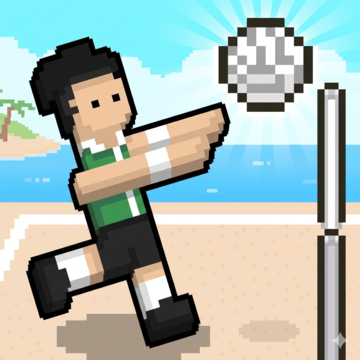







How to Play 100 Metres Race
The controls are simple, but mastering them is key:
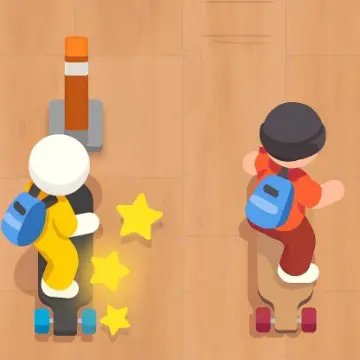
Alternating Keys (Left/Right Arrows): Press quickly to make your runner sprint.
Before racing, it’s essential to understand the game mechanics and objectives. The main goal in 100 Metres Race is to reach the finish line faster than your opponents by alternating key presses efficiently. Winning requires both speed and precise timing.
Sprinting Mechanics
Understanding sprint mechanics is essential for success in 100 Metres Race.
Alternating Key Efficiency
- Smooth Alternation: Alternate keys evenly for consistent acceleration.
- Avoid Overexertion: Pressing too fast or irregularly can slow your character down.
- Rhythm Training: Develop a natural rhythm for key presses to maintain peak speed.
Boost Management
- Using Boosts: Some versions allow temporary boosts; use them at straight paths.
- Timing: Activate boosts during mid-race to maximize effectiveness.
- Avoid Waste: Don’t trigger boosts too early; timing is crucial.
Efficient key alternation combined with boosts can significantly improve race performance.
Advanced Sprinting Techniques
Advanced techniques help competitive players excel.
Perfect Key Rhythm
- Patterned Pressing: Develop a rhythm to avoid fatigue and maintain top speed.
- Micro-pauses: Brief pauses in key alternation can optimize timing in some versions.
Strategic Boost Usage
- Sprint Phases: Reserve boosts for sprinting after curves or recovering from slight slowdowns.
- Boost Multipliers: Use boosts in combination with perfect rhythm for maximum speed.
Cornering (if applicable)
- Track Turns: Some tracks feature curves; adjust key presses to maintain speed.
- Leaning Techniques: Slight adjustments can help prevent deceleration.
Advanced strategies differentiate top players from casual participants.
Multiplayer and Competitive Play
Competing against others adds unpredictability and excitement to 100 Metres Race.
Observing Opponents
- Opponent Speed: Monitor competitors’ key rhythms for timing advantage.
- Position Tracking: Adjust your own speed to maintain or overtake positions.
- Adapt Strategies: React to opponents’ mistakes to gain ground.
Competitive Tactics
- Start Strong: A fast start gives a psychological and actual advantage.
- Finish Strategy: Reserve key energy for the final meters to sprint ahead.
- Focus: Avoid distractions and maintain precise key alternation.
Competitive dynamics enhance gameplay and skill development.
Tips for Beginners
- Practice alternating keys to develop a consistent sprint rhythm.
- Focus on starting technique for early lead advantage.
- Learn track layouts to anticipate straight paths and curves.
- Use boosts strategically rather than randomly.
- Replay races to refine timing, rhythm, and overall strategy.
These tips improve skill development and allow smoother progression through levels.
Common Mistakes to Avoid
Even experienced players can make errors:
- Pressing keys irregularly or too quickly, reducing speed.
- Poor starting reaction, losing the initial advantage.
- Using boosts at the wrong time, wasting potential speed.
- Ignoring opponents’ movements, leading to lost positions.
- Failing to practice rhythm, resulting in inconsistent performance.
Awareness of these mistakes helps players refine their technique and achieve faster times.
Level Progression and Challenges
Levels gradually increase in difficulty:
Track Variations
- Straight Tracks: Focus on maximizing speed with consistent key alternation.
- Curved Tracks: Requires precise timing to maintain momentum.
- Obstacle Tracks: Some levels include minor obstacles that challenge reflexes.
Increasing Competition
- Faster Opponents: Later levels include AI with more efficient key timing.
- Multiplayer Pressure: Competing against human players requires adaptability.
- Score Optimization: Focus on finishing time and consistency across multiple races.
Level progression keeps gameplay engaging while rewarding skill development.
Training and Practice Strategies
Improvement in 100 Metres Race relies on consistent practice and skill enhancement.
Key Rhythm Drills
- Practice alternating keys at different speeds to develop flexibility.
- Use a metronome or background rhythm to maintain timing consistency.
- Simulate race conditions to practice under pressure.
Reaction and Focus Exercises
- Focus on starting cues to improve reaction times.
- Practice maintaining rhythm when observing other players.
- Train with small bursts of speed to simulate final sprint scenarios.
Performance Analysis
- Review previous races to identify areas for improvement.
- Track completion times to monitor progress.
- Adjust strategies for each track or opponent.
Consistent practice ensures long-term improvement and competitive advantage.
Conclusion
100 Metres Race is a thrilling and skill-intensive racing game that combines reflexes, strategy, and timing. Mastering controls, developing perfect key alternation, using boosts strategically, and analyzing opponent movements are crucial for success. Multiplayer and competitive modes enhance the challenge and fun, while advanced techniques help players maximize speed and consistency. By following this guide, beginners and experienced players alike can improve their performance, enjoy faster races, and dominate in 100 Metres Race.